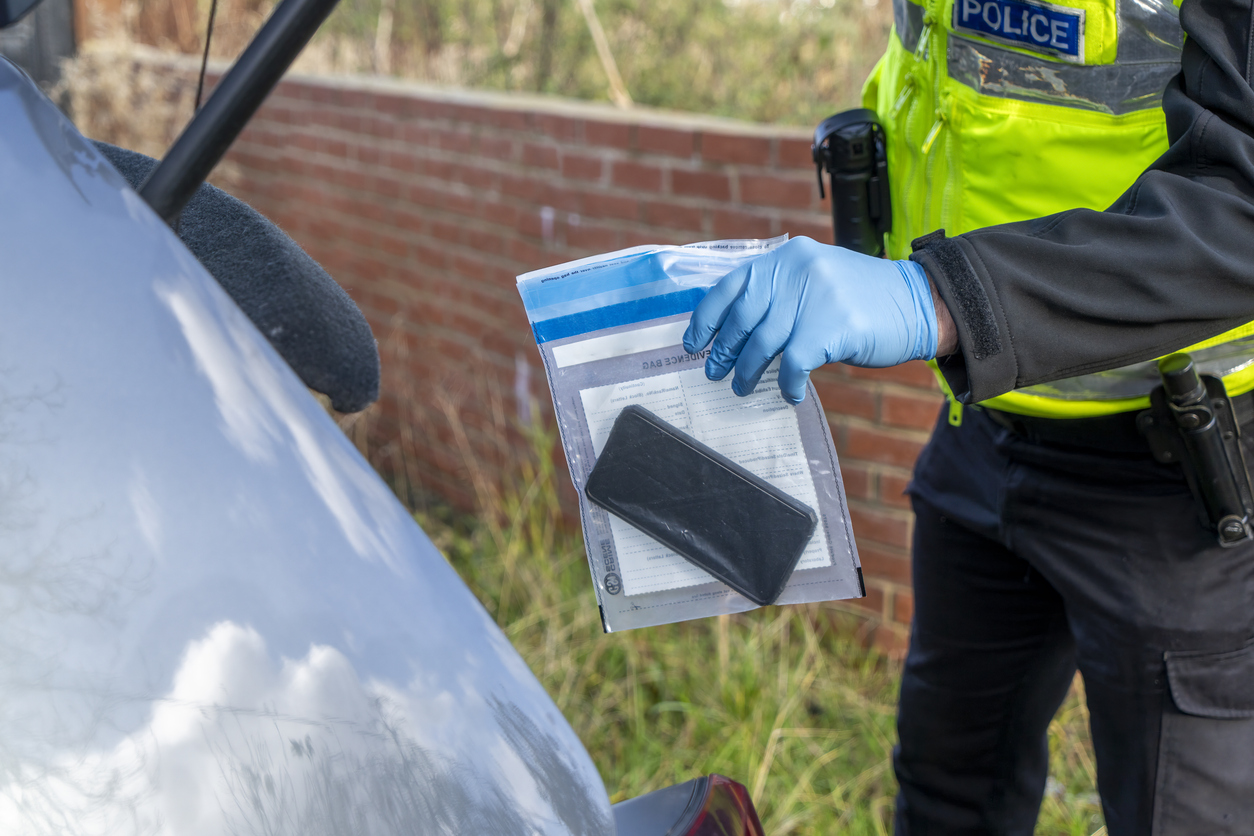
What are the police powers of entry in England and Wales?
What are the police powers of entry in England and Wales?
When police enter your home or premises without permission, it can be a very distressing experience. While there are occasions where police can legally enter and search your home, vehicle or business premises, they do not have the automatic right to do so. They must have a valid reason to do so and abide by associated powers, which usually include needing a warrant in specific, strictly defined situations. If police enter your home or property unlawfully, you may be able to claim compensation.
Understanding police powers of entry and your individual rights is important to ensure any searches conducted on your property are lawful, and you can protect yourself against unlawful intrusion. In this article, we will outline the police powers of entry, search and seizure, what warrants they need to enter your home or vehicle, and under what circumstances police can enter your home without a warrant.

Quick answer: When can police enter your home?
Police can only enter your home in England and Wales if they have a legal power to do so. This may include entering with a warrant, entering with your consent, entering after an arrest, or entering in an emergency to save life, prevent serious injury or prevent serious property damage. Police cannot simply enter private property whenever they choose.
If police entered your home without a warrant, without your consent and without a lawful reason, their actions may amount to unlawful entry, trespass or police misconduct.
What are police powers of entry?
In the UK, police powers of entry are the legal powers that allow police officers to enter private premises in specific circumstances. These powers may allow officers to enter a house, flat, business premises, garden, outbuilding or other private property.
However, powers of entry are limited. Police must be able to identify the legal authority they are relying on, and their actions must be necessary, proportionate and within the scope of that power.
Do police need a warrant to enter your home?
In the UK, police powers of entry largely depend on whether or not a warrant has been issued by a court. Typically, the police need a warrant to search private property, and to obtain one, a formal request must be made to the court. In this request, a police constable must provide valid, reasonable grounds for the search. It must explicitly detail what is being investigated, where the search will occur, what specific items are being sought, and the underlying facts connecting the two.
Once a warrant is granted, the police are authorised to enter and search the premises under specific conditions outlined in the Police and Criminal Evidence Act 1984 (PACE). This act allows the police to enter and search a property to make an arrest or seize items related to a crime.
Before entering, the officer exercising this power should make reasonable efforts to contact the occupant, unless doing so would compromise the investigation. If the occupant is not on the premises, the police are lawfully required to leave a visible written notice or a copy of the warrant explaining their reasons for entry.
There are situations, however, where a warrant is not required. For example, in urgent circumstances or emergencies, waiting for a warrant could delay the investigation or risk public safety. Police powers of entry, therefore, rely on a warrant except in specific situations where immediate action is necessary or if a warrant would render an investigation futile.
When can police enter and search premises?
Police have the authority to enter and search premises under the following circumstances:
- To conduct inspections
- To address emergencies
- To search for evidence as part of an investigation
These reasons are clearly outlined in the Protection of Freedoms Act 2012, and must be abided by to ensure a lawful entry.

What is a warrant?
A warrant is a legal document that is issued by the courts to police (and other law enforcement agencies). It grants them specific powers, such as entering and searching properties. There are several types of warrant, including:
- A police arrest warrant: this allows police to arrest individuals, search them and seize their property.
- Search warrant: This permits police to search a specific location or vehicle, usually during criminal proceedings.
- Warrant of further detention: this allows police to detain someone for longer than the standard 24 hours without charge.
- Court warrant: this can be used to arrest people, search premises and enforce judgments.
Can police enter your home without a warrant?
Police generally need a warrant to enter and search premises, as warrants serve to protect an individual’s right to privacy. Police can, however, search and enter without a warrant, but their powers are restricted. Since police powers of entry invade and disrupt the privacy of an individual, the Protection of Freedoms Act 2012 regulates police powers of entry by establishing a code of practice that safeguards individual rights, limiting when and how police can lawfully enter premises.
In specific situations—such as a risk to life, the need to prevent injury, or to avert serious property damage—police powers of entry may extend beyond the need for a warrant.
When searching for a person, police can only enter a property if they have reasonable grounds to believe that the individual is on the premises, as specified under Section 17 (PACE). This section allows entry without a warrant to make an arrest, capture an escapee, or protect life and prevent serious harm.
If the search is for items, Section 18 of PACE permits police to enter and search premises without a warrant if the occupant has been arrested for an indictable offence and there is evidence on the premises related to that offence. In these situations, an Inspector or officer above in rank must give their authorisation in writing for it to be lawful, prior to the search.
Police powers of entry are structured to balance investigative needs with individual rights and are subject to strict safeguards to protect individuals.

So, when can police enter without a warrant:
- To save a life or prevent serious injury: Police may be allowed to enter a property without a warrant if they reasonably believe that someone inside the property is at risk of serious harm, injury or death.
- To prevent serious property damage: In some instances, police may have the power to enter a property without a warrant to prevent serious damage.
- To arrest someone: Police may be able to enter a property without a warrant to arrest someone for certain offences, but the power must apply, and the entry must be lawful.
- To deal with breach of the peace: Police may enter a property without a warrant in some situations where they reasonably believe a breach of the peace is occurring or imminent.
- After an arrest: Police may be able to search premises that are occupied or controlled by an arrested individual if they believe evidence may be found there and certain legal criteria are met.
- With consent: Police can enter a property without a warrant if a person with authority over the property gives valid consent, such as if an individual is staying in someone else’s, such as their parent’s or partner’s, home. However, consent must not be obtained through pressure, intimidation or false/misleading information.
Police entry with a warrant vs without a warrant
Below is a breakdown of different situations and when police do and do not need a warrant to enter your property.
| Situation | Do police usually need a warrant? | Explanation |
| Searching a home for evidence | Usually yes | Police often need a warrant unless another power applies |
| Entering to save life or prevent serious injury | No | Police may enter in an emergency |
| Entering after arrest | Not always | Police may search premises connected to the arrested person in certain circumstances |
| Entering with consent | No | Consent must be freely given |
| Entering to prevent serious property damage | No, in some cases | Emergency police powers may apply |
| Entering because they “want to speak to you” | Yes, consent is required prior to entry | Police cannot usually force entry just to speak to someone |
| Entering without a warrant, consent or emergency power | No | This may be unlawful |
Can police enter private property without permission in the UK?
Police can only enter private property in England and Wales without permission if they have a lawful power to do so. This could be a warrant, an emergency power, an arrest-related power or another specific legal authority.
If police do not have a warrant and there is no emergency, you can ask what power they are relying on. You can also ask whether you are required to let them in or whether they are asking for your consent.
If police enter without permission and cannot justify the legal basis for entry, the entry may be unlawful.
Can police force entry into your home?
Police can force entry into a home in certain circumstances, but only where they have a lawful power and the use of force is necessary, reasonable and proportionate. For example, forced entry may be permitted where officers have a valid warrant that allows it, where there is an emergency, or where they are lawfully entering to make an arrest.
If police force entry without proper legal authority, or use more force than necessary, this may support a complaint or civil claim.

Can police search my vehicle without a warrant?
Under the Code of Practice, vehicles are considered premises, meaning they cannot be searched without a warrant unless under specific circumstances.
The main piece of legislation that gives the police the authority to search a vehicle without a warrant is the powers of stop and search. Under Section 1 (PACE), police may stop and search a vehicle if they have reasonable grounds to suspect that the driver possesses illegal items, such as drugs or weapons, or is driving dangerously. These powers aim to protect public safety while ensuring that searches are grounded in reasonable suspicion.
Reasonable grounds could be based on observable behaviour, background intelligence, or witness information. If the officer does not have reasonable grounds for the search, any resulting stop and search would be unlawful. Read our blog to find out more about your police stop and search rights.
In certain situations, such as when the police impound your car, they can search your vehicle without a warrant. In most other cases, police need a court warrant to search your vehicle, just like they do for your house.
Police powers of entry and search of premises
Police entering a property and searching it are not always the same thing. Police may have the power to enter a property for a specific reason, but that does not automatically mean they can search every room, area, cupboard and device inside the property.
The extent of the search depends on the legal power being used. Police should not exceed the limit set out in the warrant. For example, if the police are looking for a large item such as a laptop or a large weapon, it may be difficult for them to justify searching inside small containers.
What are the police powers of seizure?
Even if the police obtain a search warrant, certain powers of seizure and search are restricted until a suspect is formally arrested. Police cannot conduct intimate searches, such as removing clothing, taking fingerprints, collecting blood samples, or other forms of identification. They also cannot ask you to remove face coverings or religious attire unless they have Section 60 authorisation, which they must be able to produce.
Under section 8 of PACE, the police are authorised to seize stolen property, documents, drugs, weapons, or any other items relating to an investigation. The police are legally bound to act proportionally, seizing only what is necessary for an investigation. If any items are unlawfully seized, you can make a claim for police misconduct.
People most at risk of being exploited by the police are afforded extra protection. The Equality Act 2010 defines protected characteristics that the police must accommodate, for example, a transgender person or a person with a disability. As police powers of seizure often hinge on reasonable belief, the police must ensure they are completely unbiased in their actions.
What should police do when they enter your home?
When police enter a property, there are a number of things they should usually do. This includes:
- Identifying themselves
- Explain why they are at the property
- Explain the legal power they are using to enter the property
- Show a warrant if they have one
- Explain whether they are asking for consent
- Avoid using unnecessary force
- Keep damage to a minimum
- Provide paperwork where required
- Record any items seized
- Act proportionately and professionally
If police fail to explain their powers, cause any unnecessary damage, search areas they were not entitled to search or refuse to provide paperwork, you should seek legal advice, as this could be unlawful behaviour.

What can I ask the police at the door?
If police come to your home, you are entitled to ask them certain questions. You may be able to ask:
- Do you have a warrant? Can I see the warrant?
- What address is this warrant for?
- What are you searching for?
- What legal power are you relying on for entry?
- Are you asking for my consent?
- Do I have to let you in?
- Am I under arrest?
- Can I speak to a solicitor?
- Can I have a record of the search?
If police are lawfully exercising their power of entry, you should not obstruct them from entering or searching the property. However, you are entitled to understand why they are entering your home.
Can you claim compensation if the police entered your home unlawfully?
Yes, you may be able to claim compensation if the police entered your home unlawfully, searched your property without proper authority, damaged your belongings, used excessive force or detained you unlawfully during the incident.
Compensation could be awarded for distress, loss of liberty, reputational damage, physical injury (if excessive force was used, for example), psychological injury, property damage, financial losses or other harm caused by unlawful police action.
If you believe the police entered your home unlawfully, try to keep as much evidence as possible. This includes a copy of the warrant or paperwork, photographs of the damage caused, video or doorbell footage, names and collar numbers of officers, witness details, a list of items seized, invoices for repairs, medical records if you were injured or distressed, notes of what the officers said, correspondence from police, and custody records if you were arrested or detained.
Collecting evidence will help a solicitor assess your case and determine whether the police acted unlawfully, and whether or not you can make a compensation claim.
HNK Solicitors can help with your action against the police claim
If you have experienced a breach of privacy through forced entry or unreasonable grounds for search, you may be entitled to compensation. We understand the emotional distress police misconduct can cause, especially when it infringes on your right to privacy and peace.
Here at HNK Solicitors, we pride ourselves on getting our clients the justice they deserve with highly experienced and compassionate civil actions against the police team.
We can help you make any civil claim against the police. You can call us on 0151 668 0813 or email us at enquiries@hnksolicitors.com
Frequently asked questions
Do police need a warrant to enter your home?
Police often need a warrant to enter and search your home, but not always. They may be able to enter without a warrant in emergencies, after an arrest, to save life or prevent serious injury, or where another legal power applies.
What are police powers of entry?
Police powers of entry are the legal powers that allow officers to enter private premises in specific circumstances. These powers are limited and must be exercised lawfully, proportionately and for a proper purpose.
Can police search your house after entering?
Police may be able to search your house if they have a valid search power, but entry and search are not always the same thing. The search must stay within the limits of the power or warrant being used.
Can police enter your garden or outbuilding?
A garden, garage, shed or outbuilding may still be part of private property. Police usually need a lawful power, warrant or valid consent to enter or search these areas.
What should you do if police enter your home unlawfully?
You should keep any paperwork, photograph damage, record what happened, note officer details, keep witness information and speak to a solicitor experienced in claims against the police.
Can you claim compensation for unlawful police entry?
Yes, you may be able to claim compensation if police entered your property unlawfully, caused damage, used excessive force, detained you unlawfully or breached your rights.
How can I claim compensation for unlawful police entry?
The best thing to do is speak to a specialist civil actions against the police solicitor, who can help you with your claim. They will be able to determine whether the entry and search were unlawful, and can handle the claims process for you, communicating with police on your behalf and fighting to get the compensation you deserve. Police claims are often highly contested, so instructing a specialist police claims solicitor allows you the best chance of making a successful claim.
Last updated: June 2026