Unlawful Stop and Search Compensation Solicitors
Unlawful Stop and Search Compensation Solicitors
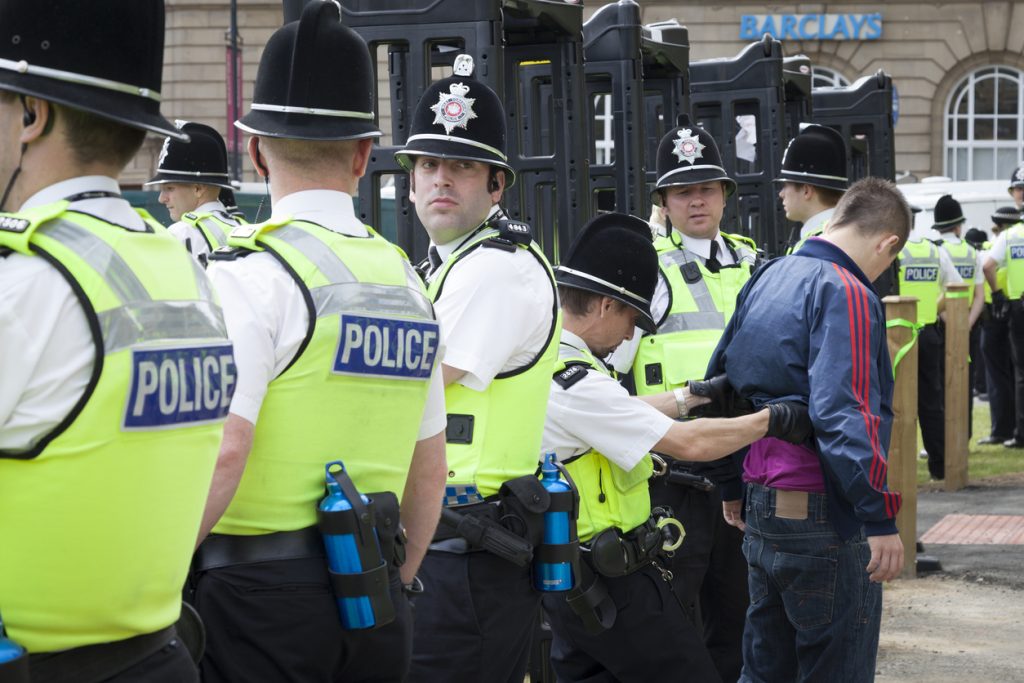
Police stop and search powers are one of the most high-profile and controversial aspects of modern policing in England and Wales. While these powers are intended to help prevent crime, such as drug offences or possession of weapons, they must be exercised lawfully and in accordance with strict legal requirements.
When the police stop and search someone without legal justification, it can be humiliating, distressing and traumatic. If your rights have been infringed, you may be entitled to compensation for unlawful stop and search. This article explains when the police can conduct a stop and search, what counts as unlawful, and how to pursue compensation for misconduct.
When can police conduct a stop and search?
Police stop and search powers allow officers to briefly detain a person in order to search them or their belongings for illegal items such as:
- Weapons
- Illegal drugs
- Stolen property
- Items intended to be used to commit an offence
These powers are derived from legislation such as Section 1 of the Police and Criminal Evidence Act 1984 (PACE) and specific statutory provisions like the Misuse of Drugs Act 1971. The key legal requirement in most situations is that the officer must have reasonable grounds for suspecting that the person is in possession of a prohibited item.
That means there must be some specific, identifiable basis for the officer’s suspicion before they carry out a stop and search. This could be behaviour, reliable intelligence, or other contextual factors, but it cannot be based on guesswork, stereotypes or irrelevant factors.

What are police stop and search powers?
What are police stop and search powers?
Police stop and search powers fall into several categories depending on the circumstances:
- Standard stop and search under PACE – requiring reasonable suspicion.
- Searches under the Misuse of Drugs Act 1971 – where suspicion of drug possession must be reasonable.
- Section 60 powers – which allow wider search powers in a specific area for a limited time without suspicion, but only were authorised by a senior officer and justified by serious concerns about violence.
- Public Order Act powers – which can also permit stop and search in certain public order contexts.
Even where these powers apply, police must inform you of of the following:
- Their name
- The police station to which they are attached to;
- The grounds for making the search;
- The objects of the proposed search
- Your entitlement to a copy of the search
The above must be provided prior to the search
Police stop and search statistics
The way police use stop and search has been closely monitored, and official statistics show that the tactic is disproportionately applied to people from certain ethnic minority groups.
According to contemporary Home Office statistics:
- Black people had a stop and search rate of approximately 17 searches per 1,000 population, compared with 3.7 per 1,000 for White people.
- Disparity is also seen in specific categories: for offensive weapon searches and searches under Section 60, Black people were searched at rates 7 to 8 times higher than White individuals.
Separate government and civil society analyses show that in previous years the disparity was even higher, with Black people around 24.5 per 1,000 stopped and searched compared to 5.9 for White people.
Even where searches are conducted, a large proportion do not result in arrest or further action, raising concerns that stop and search may be used too broadly or without sufficient grounds.
This disproportionate application, particularly against Black individuals, has contributed to a broader debate around policing, discrimination and institutional biases within some police forces.

What constitutes unlawful police stop and search?
A stop and search will be lawful only if the officer can point to reasonable grounds for suspicion before conducting it. Unlawful stop and search may arise where:
- The officer had no reasonable or genuine suspicion.
- The officer fails to properly identify themselves or explain why you are being searched.
- The search is completed without legal authority.
- You are detained for longer than reasonably necessary.
- The manner in which the search was conducted breaches legal safeguards, such as excessive force.
For example, if police stop someone simply because they are filming, or because of how they look or where they are from, this may not amount to reasonable grounds and could be unlawful.
What to do if you are unlawfully stopped and searched?
If you believe you have been stopped and searched unlawfully, it’s important to take the following steps:
- Stay calm and compliant: Resist responding aggressively, even if the stop feels unjustified.
- Take notice of details: If possible, make a note of the officers’ names, badge numbers, and exactly what was said.
- Ask for a record: You are entitled to a stop and search record form, keep this safe.
- Gather evidence: If there were witnesses, CCTV, or body-worn camera footage, note how to obtain this later.
- Seek legal advice: An experienced solicitor can assess if your stop and search was lawful, and whether you have grounds to make a claim.
Even if nothing was found during the search, you may have experienced a breach of your rights, and this can form the basis of a legal claim.
Can I get unlawful stop and search compensation?
Yes. If you have been subjected to an unlawful stop and search, you may be entitled to unlawful stop and search compensation. Compensation is usually awarded when the police have acted outside their lawful powers and this has caused you harm, whether psychological, physical, reputational or financial.
Compensation may cover:
- Distress and humiliation caused by the unlawful stop and search
- Loss of earnings if you missed work due to the incident
- Medical expenses for any physical or mental health treatment
- Aggravated damages if the conduct was especially harmful or discriminatory
A compensation claim typically takes the form of a civil action against the responsible police force. Time limits apply, and because these claims are often challenged by police defenders, legal representation is strongly advised.

Unlawful stop and search cases
There are numerous examples, both in public reporting and in legal cases, where individuals have successfully challenged unlawful stop and search, with compensation outcomes:
- One case handled by HNK Solicitors secured£3,800 in compensationfrom Surrey Police for unlawful stop and search, a client was unlawfully stopped and searched while filming for their YouTube channel. Officers could not demonstrate reasonable grounds for the search, and compensation was secured for the client’s detention and distress.
- In another action, HNK Solicitors secured £62,000 for victims in an unlawful stop and search claim against the Met Police, substantial damages were awarded after clients were unlawfully stopped, handcuffed and searched without lawful justification, with no prohibited items found.
- High-profile misconduct cases have also emerged in the media. For example, Metropolitan Police officers faced disciplinary action after the stop and search of Olympic athletes Bianca Williams and Ricardo Dos Santos, which was widely criticised as disproportionate and unjustified.
These cases highlight that when stop and search powers are misused, it can lead to significant legal consequences for officers and offer justice for those affected.
Unlawful stop and search compensation solicitors
If you believe you have been unlawfully stopped and searched, you are not alone, and you do not have to deal with it on your own.
Specialist unlawful stop and search compensation solicitors can:
- Assess whether your stop and search was lawful
- Review the stop and search record and evidence
- Advise you on the strength of your claim
- Handle all legal correspondence and negotiations
- Pursue compensation on a no-win, no-fee basis, where appropriate
Claims against the police can be complex. A solicitor with specific experience in civil actions against the police will understand the legal tests and procedural requirements needed to secure compensation for you.
Police misconduct, including unlawful stop and search, should not be tolerated. If your rights were breached, claiming compensation not only helps you recover for your loss, but also sends a powerful message that public authorities must respect the law.
HNK Solicitors can help with your unlawful stop and search claim
HNK Solicitors have a team of dedicated actions against the police solicitors who can help you with your unlawful stop and search claim. We offer free consultations and can take on claims on a no-win, no-fee basis.