Can you visit someone in police custody UK?
Can you visit someone in police custody UK?
Finding out someone you care about is in police custody can be a terrifying experience, almost as terrifying as being in police custody yourself. It is a call no parent, partner, friend or loved one ever wants and will likely leave you with many questions, such as ‘Can you visit someone in police custody?’, how long will your loved one remain in police custody, and what are their rights.
This article aims to answer all these questions and provide you with an understanding of what happens when someone is in police custody, as well as explaining the visitation rules and what to do if you feel they need things dropping off to them, such as medication or contact details for a lawyer. While this is a very distressing experience, it’s important to try and remain calm and be available to assist your loved one when and if they need it.
This article concerns police custody in England and Wales. Different legal rules apply in Scotland and Northern Ireland.
Can you visit someone in police custody?
There is no automatic right to visit someone in police custody, and police custody suites do not have routine visiting arrangements like prisons. However, under PACE Code C, if the detainee agrees, the custody officer may allow visits from friends, family or others at their discretion. The guidance states that visits should be allowed where possible, subject to sufficient staff being available to supervise the visit and any possible hindrance to the investigation.
If a person is vulnerable or under 18, however, an appropriate adult must attend the police station to ensure the person’s rights are upheld. This is usually a parent or guardian for a child or young person. For a vulnerable adult, this could be a partner, friend or carer.
Although there is no automatic right to visit a loved one in police custody, if detained, they are generally entitled to have one person informed of their arrest and whereabouts. Code C also usually allows a separate telephone call. Find out more about how long police can hold you without a phone call here.
Can you drop off belongings to someone in police custody?
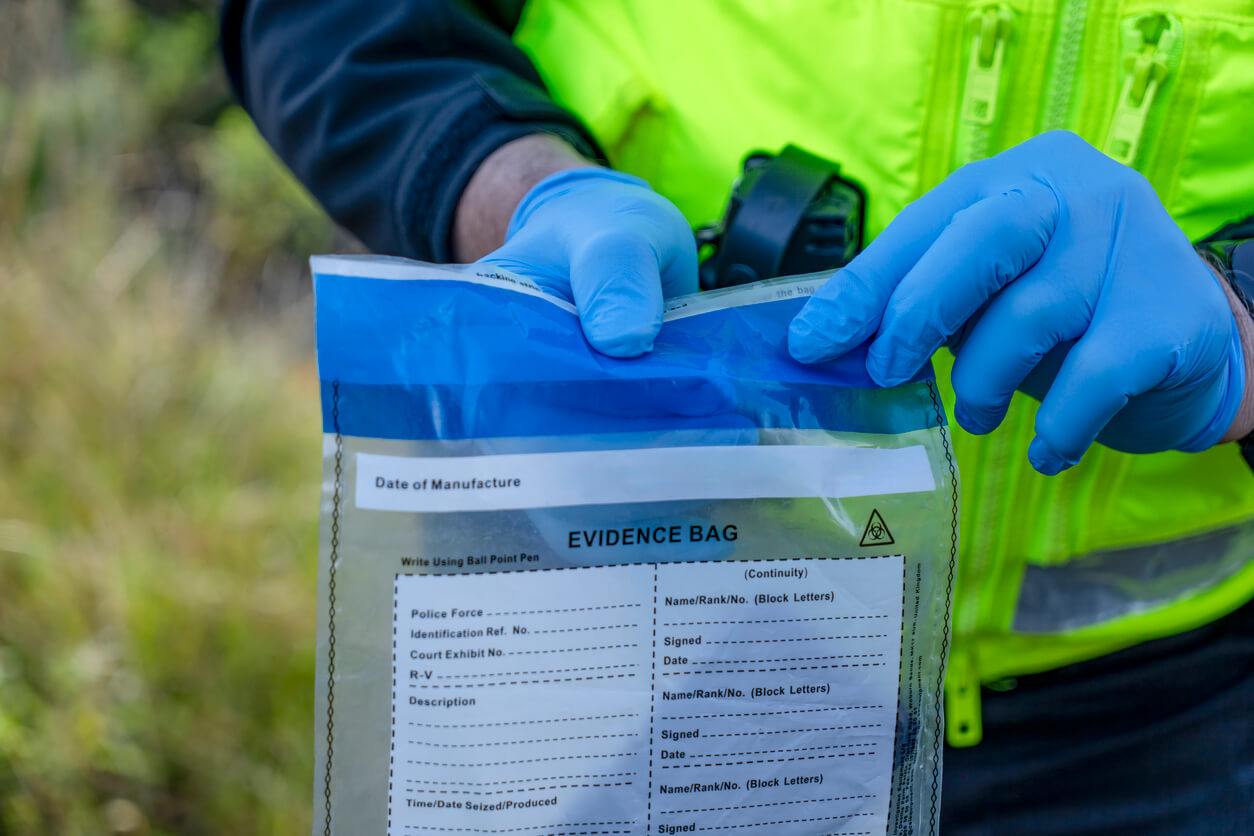
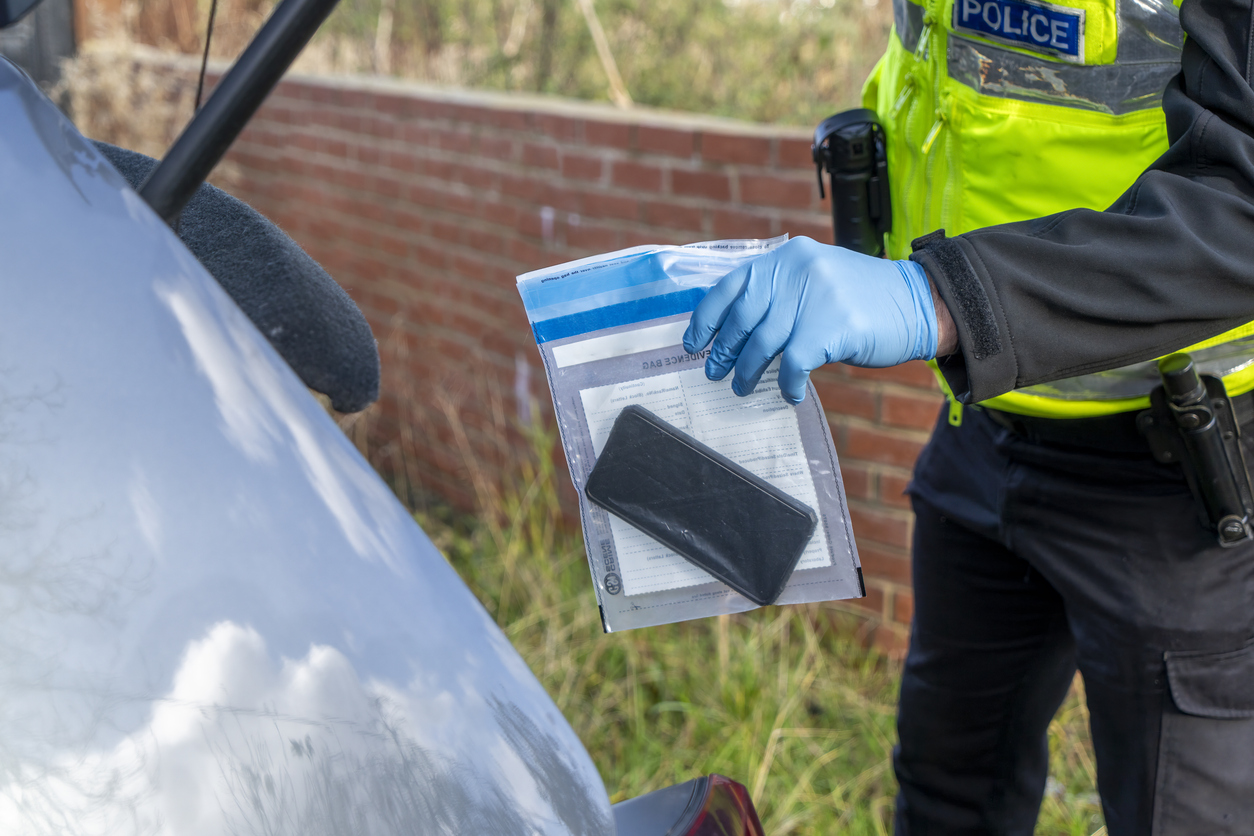
If you are concerned because someone in police custody needs items such as medicine or glasses, you may be able to drop these items off at the police station for them to be passed on to the individual. This does not mean you will be able to visit them, though and hand them the items yourself.
Are you allowed to phone someone when in police custody?
When you have been arrested, you are entitled to have one person informed of your whereabouts as soon as practicable. Separately, Code C states that a detainee should be allowed to telephone one person for a reasonable amount of time. The right to have someone informed may be delayed only in the limited statutory circumstances and with the required authorisation. The separate telephone call may be delayed or denied by an officer of inspector rank or above on specified grounds where the detainee is held in connection with an indictable offence. Read more about how long police can hold you without a phone call in our blog on the subject.
What happens when in police custody?
When a person is taken into police custody, the custody officer must explain to them that they have the right to:
- Get legal advice
- Have someone informed of their arrest
- To access a copy of the PACE codes of practice
- An interpreter, if they need one
- See a written notice informing them of their rights
They must also be informed what offences they have been arrested for, and if they are arrested for further offences while in custody, they must be informed of these. The person in police custody should receive a written notice of these rights and other rights they are entitled to, such as the right to remain silent and the right to access documents and evidence essential to challenge the charge against them.
The police must open a custody record that details all the events that take place at the police station in relation to the person who has been detained. When the person leaves police detention or is taken before a court, the detainee, their legal representative or appropriate adult may request a copy. This entitlement lasts for 12 months after release. The record can be useful if the detainee later wishes to challenge the lawfulness of the arrest, detention and treatment while in police custody.cord, which can be useful if you wish to later challenge the lawfulness of the arrest, detention, and treatment while in police custody.

While in police custody, the police may take biometric and forensic information from the person they have arrested where the statutory conditions are met. This may include a photograph, fingerprints and a non-intimate DNA sample such as a mouth swab. In many cases, fingerprints and non-intimate samples may be taken without consent. Intimate samples, such as blood, generally require appropriate consent and senior authorisation, subject to specific exceptions.
If a person is released without charge, their fingerprints and DNA profile will in many cases be deleted from the national databases, but there are statutory exceptions and the applicable rules depend on matters including the offence, the outcome and the person’s history. Arrest records and custody photographs are governed by different rules and are not automatically erased merely because no charge is brought. Continued retention is therefore not necessarily unlawful.
After this, you will then be interviewed by the police. If they have requested legal advice, the general rule is that they cannot be interviewed until they have received that advice, subject to limited exceptions. The advice may be provided by telephone or in person, and any consultation with the solicitor must be private.
What happens during a police interview?
First of all, it’s important to stress that you can have legal representation during the interview. If you cannot afford paid representation, you are entitled to free advice from the duty solicitor. Secondly, if you are under 18 or a vulnerable adult, you are entitled to have an ‘appropriate adult’ present during the interview. This can be a friend or family member, parent or guardian, carer or voluntary paid specialist. They can provide help and support during the interview and ensure officers are behaving appropriately during the interview.
During the interview, you will be asked questions relating to the specific offence or offences you have been arrested for. They may also ask you other questions relating to your personal life, work or relationships, for example.
You have the right to silence. This means you do not have to answer any questions, nor do you have to speak at all if you do not want to. However, as the police caution states:
“You do not have to say anything. But, it may harm your defence if you do not mention when questioned something which you later rely on in court. Anything you do say may be given in evidence.”
Choosing not to say anything could lead to problems later down the line if you then provide explanations you did not offer when you were interviewed. This can cast doubt on the truthfulness of what you are saying.
It is also important to remember that “anything you say may be given in evidence”. Officers may chat to you in an informal manner and ask broad questions that don’t seem to be related to any offences, but they could have reasons for asking this that you are unaware of, and what you say then can be used as evidence.

How long can the police keep someone in custody?
There are set time limits in place for how long the police can keep someone in custody. This is set out in PACE. In general, people cannot be kept for longer than 24 hours without charge, except in more serious cases where an extension is lawfully authorised.
The 24-hour period runs from the statutory ‘relevant time’, which for someone arrested and taken directly to a police station is usually the time they arrive at the first police station after arrest. Different rules apply in some circumstances.
A person can be kept for up to 36 hours in certain circumstances, when it is authorised by an officer of superintendent rank or above, and only if certain conditions apply:
- The detention is necessary to preserve or secure evidence relating the an offence.
- The offence is indictable.
- The investigation is being conducted diligently and expeditiously.
Police can apply to the magistrates’ court for a warrant of further detention. The initial warrant can take the total period to no more than 72 hours after the relevant time, and the court may subsequently extend it, but the overall maximum under PACE is 96 hours without charge. Different rules apply for arrests under section 41 of the Terrorism Act 2000, where court-authorised detention without charge may extend to a maximum of 14 days.charge.
Police codes of practice
There are codes of practice under the Police and Criminal Evidence Act 1984 (PACE) that set out rules about how people should be treated when they are arrested and taken into police custody in England and Wales.
The police must follow the applicable rules and uphold a detainee’s rights. However, a failure to comply with a Code does not, by itself, create civil or criminal liability or automatically make an arrest unlawful. A court may take a breach into account when deciding a relevant issue.
What to do if someone is not treated appropriately in police custody?
Above we have outlined what should happen when someone is in police custody, and their rights when in there. If you feel you, or your loved one, have not been treated correctly while in police custody, there are several steps you can take. Police do not always upheld the standards expected of them, and in these instances, they should be held to account.
First of all, you can make a complaint to the police force responsible for your treatment. Most police forces have dedicated pages on their websites where you can make a complaint, or you can go through the Independent Office for Police Conduct (IOPC) website to launch a complaint. The IOPC will refer the complaint on to the relevant police force to handle it.
A police complaint deals with the standards of professional behaviour and whether an officer has breached these. There is a range of outcomes you can expect from a police complaint, but the police complaints process does not award compensation. In order to seek compensation for mistreatment, you would ordinarily need to pursue a separate civil claim against the police.
Are you allowed to phone someone when in police custody?
When you have been arrested, you are entitled to have one person informed of your whereabouts. You can ask the police to contact someone for you, and they will contact them as soon as they can. In most cases, you can make one phone call for a reasonable amount of time, but this can be delayed or denied by an Inspector. Read more about how long police can hold you without a phone call in our blog on the subject.

HNK Solicitors can help with your civil action against the police claim
Mistreatment by police while in police custody, or any situation, can be extremely traumatising and have a lasting negative effect on your life. Whether you suffer physical injury or emotional distress, the impact can be life-changing, and you may be entitled to claim compensation if the police committed an actionable wrong and the requirements of the claim are met.
While compensation cannot change what happened to you, it can go some way in helping you to move on from the incident and get the help you need to recover. Making a police claim can be difficult, and it’s important you seek the help of an experienced police claim solicitor.
HNK Solicitors has a team of dedicated action against the police solicitors who are dedicated to helping our clients gain compensation and holding the police to account for their misconduct. We have helped thousands of clients claim damages after suffering police mistreatment. For example, we helped one client gain £87,000 for wrongful arrest by the Thames Valley Police.
Our team are here to support you every step of the way, gathering evidence to support your claim, communicating with the police on your behalf and can even represent you in court if necessary. We offer free consultations to discuss your case, and we can take on claims on a no-win, no-fee basis, so you don’t pay a penny upfront to start your claim.
If you have suffered mistreatment by police and are considering a claim, get in touch with our team today. Call us on 0151 668 0814, email us on enquiries@hnksolicitors.com or fill in the form on our website and we’ll be in touch.

Frequently asked questions
How can I find out if someone I know is in police custody?
The police should not normally disclose a detainee’s whereabouts without their agreement. Under Code C, if a friend, relative or another person with an interest in the detainee’s welfare asks where they are, the information should be given if the detainee agrees and the limited grounds for delaying notification do not apply. Where the detainee is under 18, the custody officer must, where practicable, inform a person responsible for the child’s welfare that the child has been arrested, why they were arrested and where they are detained. The person who has been detained is usually allowed to make a phone call or have someone informed of their arrest.
Can I visit my husband in police custody?
There is no automatic right to visit a husband, wife or partner in police custody, and police custody suites do not have regular visiting arrangements. However, if the detainee agrees, the custody officer may allow a visit at their discretion. Code C states that visits should be allowed where possible, subject to adequate supervision and any possible hindrance to the investigation.
Where an appropriate adult is required for a vulnerable person or someone under the age of 18, a spouse or partner may sometimes be able to act in that role if they are suitable, but this is not an ordinary social visit. If you are concerned about your loved one’s wellbeing, you can contact the custody suite to ask whether they have access to any essential medication or support.
Can I visit my son or daughter in police custody?
If your child is under the age of 18, they have additional legal protections while in police custody. They must have an appropriate adult present during certain procedures, such as police interviews. This may be a parent, guardian or another suitable adult, depending on the circumstances.
If your son or daughter is an adult, there is no automatic right to visit them. However, a visit may be allowed with the detainee’s agreement and at the custody officer’s discretion.
Can I bring clothes or medication to someone in police custody?
Yes, in some circumstances you may be able to drop off essential items such as medication, glasses or a change of clothing. Whether these items are accepted is at the discretion of the custody officer, who will check that they are safe and appropriate before passing them to the detainee.
If someone you know relies on medication, it is important to contact the police station as soon as possible so staff are aware of their medical needs.
Can I find out which police station someone is being held in?
Under Code C, if the detainee agrees and the limited grounds for delaying notification do not apply, the police should provide their whereabouts to a friend, relative or another person with an interest in their welfare who asks. Without the detainee’s agreement, the police may decline to confirm whether the person is being held at a particular custody suite.
If you believe someone has been arrested, you can contact your local police force’s custody suite or the relevant police station to ask for information. If the detainee wishes to contact you, they may also be able to make a phone call while in custody.
Can someone in police custody make a phone call?
Most people are held in police custody for no longer than 24 hours before they are released or charged. For an indictable offence, detention without charge may be authorised up to 36 hours, and a magistrates’ court may authorise further detention up to an overall maximum of 96 hours under PACE. A separate regime applies to arrests under section 41 of the Terrorism Act 2000, where court-authorised detention without charge may extend to a maximum of 14 days.
If you’d like to learn more, read our guide on how long police can hold you without a phone call.
How long does someone stay in police custody?
Most people are held in police custody for no longer than 24 hours before they are released or charged. For an indictable offence, detention without charge may be authorised up to 36 hours, and a magistrates’ court may authorise further detention up to an overall maximum of 96 hours under PACE. A separate regime applies to arrests under section 41 of the Terrorism Act 2000, where court-authorised detention without charge may extend to a maximum of 14 days.
For a more detailed explanation, read our guide to what happens after 24 hours in police custody.
Can I collect someone when they are released from police custody?
Yes. If someone is released without restrictions, you may be able to collect them from the police station if they would like you to. The police are unlikely to tell you exactly when someone will be released, so you may need to wait until the individual contacts you directly after leaving custody.
What should I do if I think someone’s rights have been breached in police custody?
Everyone detained by the police has legal rights, including access to free legal advice, appropriate medical care and fair treatment while in custody.
If you believe someone has been mistreated, unlawfully detained or subjected to excessive force, it is important to seek legal advice as soon as possible. An experienced solicitor like HNK Solicitors can assess the circumstances and advise whether there may be grounds for a claim against the police.
Can the police refuse visitors in custody?
Yes. Police custody suites do not operate routine visiting hours, and there is no automatic right to a visit. However, if the detainee agrees, the custody officer may allow a visit at their discretion. Code C states that visits should be allowed where possible, although a visit may be refused where there are insufficient staff to supervise it or it may hinder the investigation.
This blog has been reviewed by Demi Drury, an experienced Actions Against the Police Solicitor whose entire legal career has been dedicated to pursuing justice for clients mistreated by the police. Vivien is responsible for a wide variety of actions against the police cases, including wrongful arrest, false imprisonment, assault/battery and trespass to the property. Vivien was the firm’s fourth trainee and qualified as a Solicitor in March 2022. She now aspires to manage her own civil actions against the police team and has recently been promoted to Deputy Head of our actions against the police team.