Can Police Pull You Over for No Reason in England and Wales?
Can Police Pull You Over for No Reason in England and Wales?
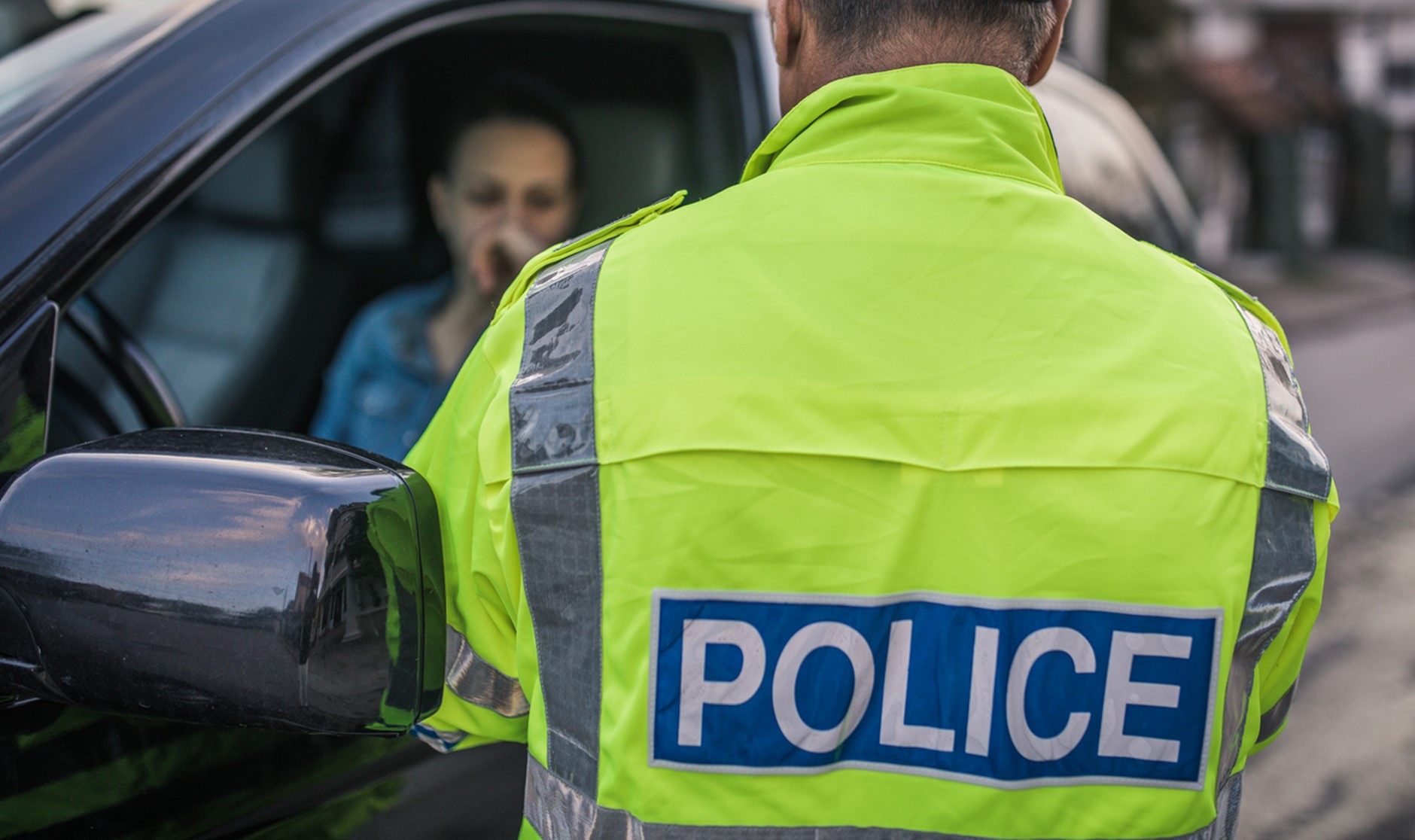
Being pulled over by the police while driving can be unsettling, especially if you believe you have done nothing wrong. Many drivers are left wondering: can police pull you over for no reason? And if so, what are your rights, and what should the police do during the stop?
Understanding the legal rules around police stop powers is essential. While the police do have broad authority to stop vehicles, that power is not unlimited. If officers act unlawfully, unreasonably, or abusively, you may be entitled to challenge their actions or make a claim for police misconduct.
This guide explains when and why the police can pull you over in England and Wales, how they must behave during a stop, and what to do if you believe your rights have been breached.
Can police pull you over for no reason?
In short, yes, the police can pull you over without giving a reason, but only in limited circumstances and under specific legal powers.
Under section 163 of the Road Traffic Act 1988, a police officer in uniform has the power to stop any motor vehicle at any time. They do not need reasonable suspicion that you have committed an offence in order to signal you to stop.
However, while the police may not need a reason to initiate the stop, how they conduct themselves during the stop matters. Once you have been pulled over, officers must act lawfully, fairly, and proportionately. Any misuse of power may amount to police misconduct.
When are police most likely to pull you over?
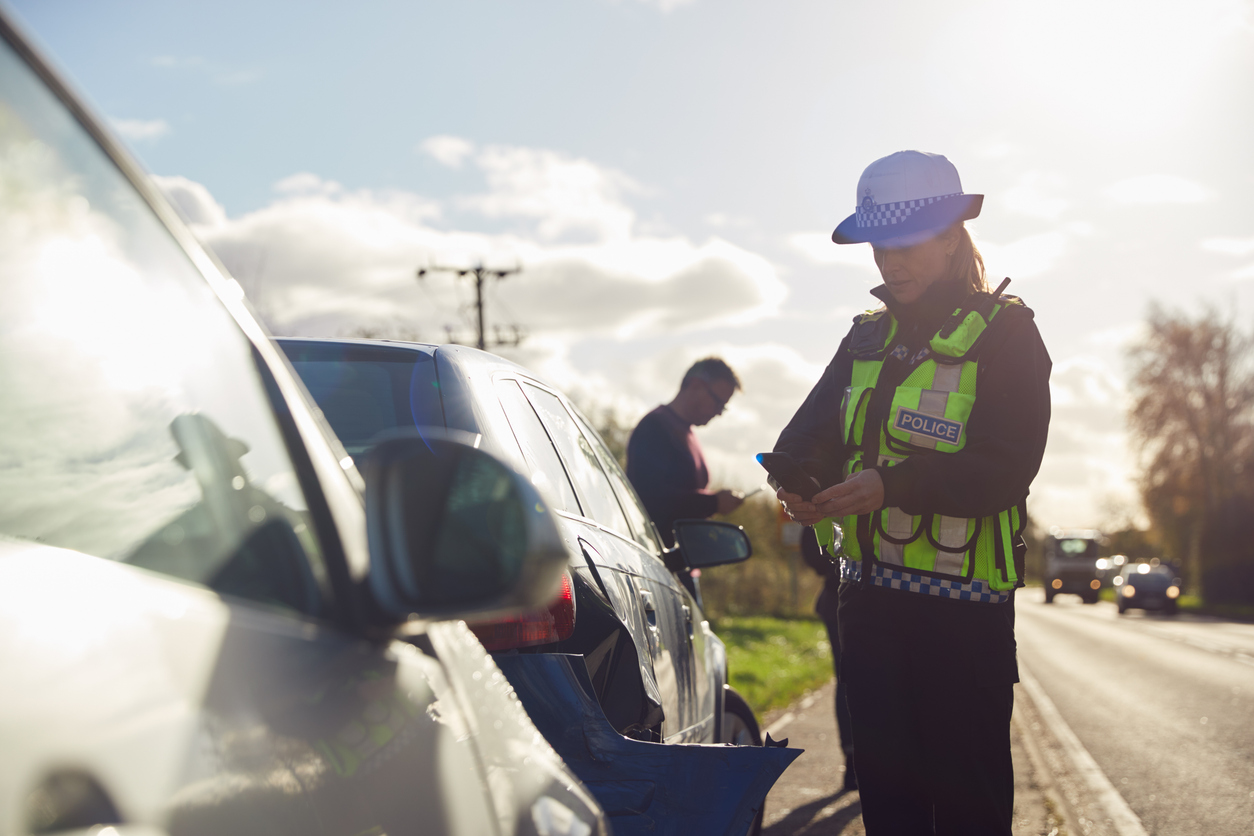
Although officers do not always have to explain why they stopped you, common reasons include:
- Carrying out routine vehicle or licence checks
- Checking insurance or roadworthiness
- Suspected traffic offences (speeding, defective lights, mobile phone use)
- Intelligence-led stops
- Preventing crime or investigating suspicious behaviour
If the police go beyond a routine stop, for example, by searching you or your vehicle, they usually must have reasonable grounds and explain those grounds to you.
How must the police act when pulling you over?
Even where a stop is lawful, the police must still follow strict standards of conduct. Officers should:
- Identify themselves clearly
- Act professionally and respectfully
- Explain what they require from you (e.g. documents)
- Avoid intimidation, harassment, or discriminatory behaviour
If officers behave aggressively, refuse to explain their actions when required, or escalate the stop without justification, this may indicate an abuse of power.
You can read more about your obligations and expectations during a traffic stop in our guide on the subject.
Do I have to stop if the police signal me?
Yes. If a police officer in uniform signals you to stop, whether verbally, by hand signal, or using flashing lights, you must comply. Failing to stop is a criminal offence.
Once stopped, you may be asked to provide:
- Your driving licence
- Insurance details
- Vehicle registration
You are not automatically required to get out of your car unless the officer instructs you to do so lawfully.
Can I ask the police for identification?
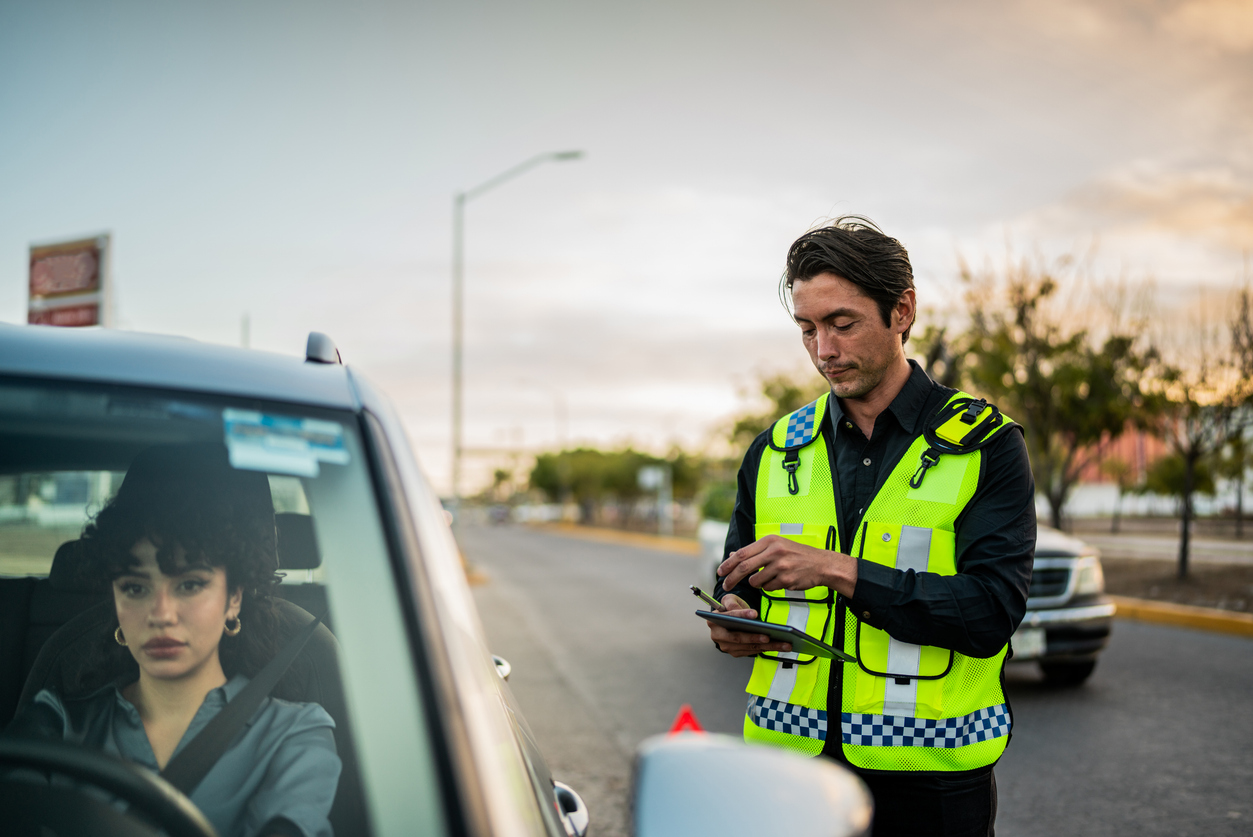
Yes. You are entitled to ask for identification if you are stopped by the police. If the officer is in uniform, they should already be identifiable. However, you can still ask for:
- Their name
- Their badge or warrant number
- The police station they are attached to
If the officer is not in uniform, they must show you their warrant card if you ask. Refusal to identify themselves may raise concerns about the legitimacy of the stop and should be noted.
What if an unmarked police car pulls me over?
Being stopped by an unmarked police car can be particularly worrying, especially at night or in an unfamiliar area. While unmarked police vehicles do have the authority to stop drivers, you are entitled to take reasonable steps to ensure your safety.
If an unmarked car signals you to stop, you can:
- Slow down and indicate that you are acknowledging the signal
- Drive to a well-lit or populated area
- Call 999 and confirm whether the vehicle is a legitimate police unit
You should not attempt to flee, but you are allowed to ensure the stop is genuine. Officers should understand safety concerns and act accordingly.
We explain this in more specific detail in this dedicated blog.
What can the police do once they have pulled me over?
What happens next depends on the circumstances. During a routine stop, police may:
- Ask basic questions
- Check your documents
- Carry out vehicle checks
They cannot automatically search you or your vehicle without lawful grounds. A search usually requires reasonable suspicion and must follow specific legal procedures. Officers should explain:
- Why the search is taking place
- What they are searching for
- Under which legal power is the search being conducted
Failure to follow these steps may make the search unlawful.
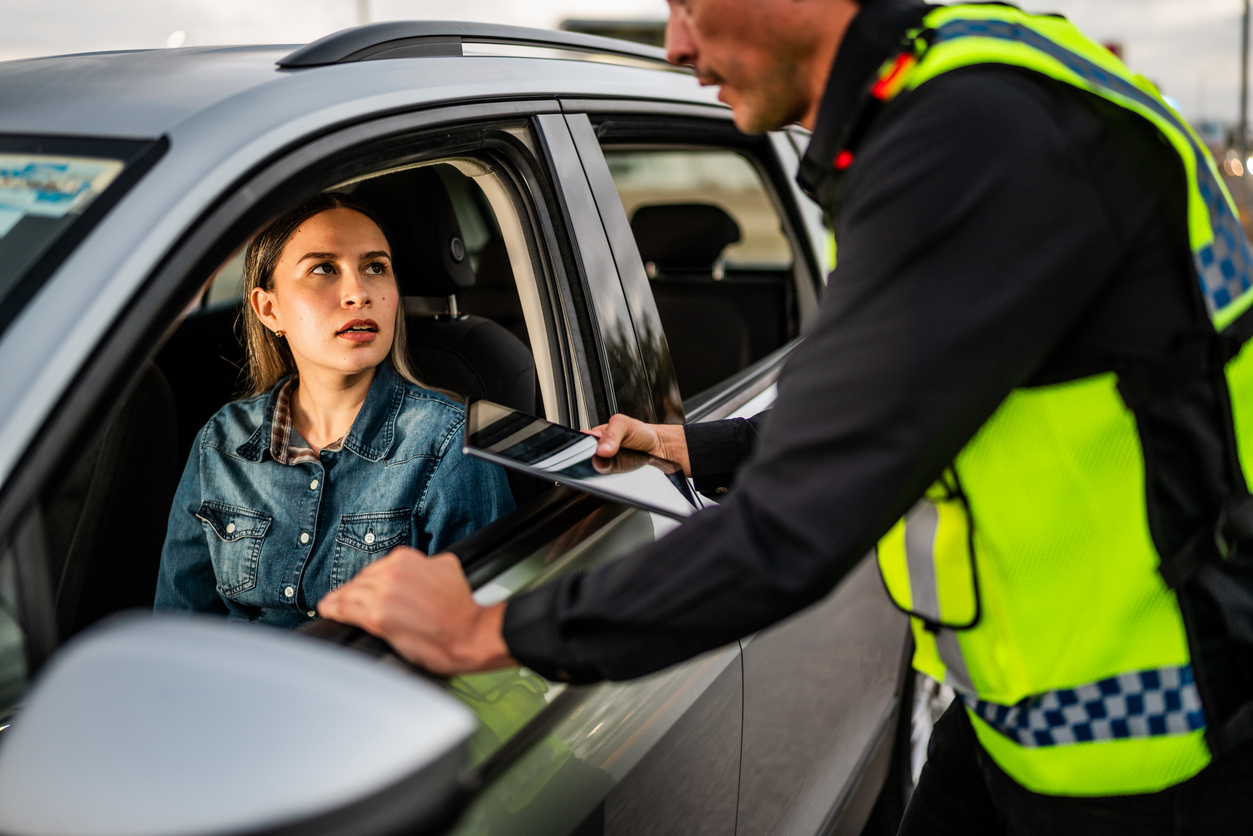
When does a traffic stop become police misconduct?
Police misconduct may occur if officers:
- Stop you repeatedly without justification
- Act in a discriminatory or harassing manner
- Use excessive force
- Search you or your vehicle unlawfully
- Detained you without legal grounds
- Fail to identify themselves properly
- Abuse their powers or act dishonestly
While the police do have wide powers, those powers must be exercised lawfully and proportionately. If not, you may have grounds to bring a claim against the police.
What should I do if I believe the police acted unlawfully?
If you believe the police pulled you over or treated you unlawfully, it is important to take the following steps:
- Stay calm at the time – Do not argue roadside or escalate the situation.
- Make a note of details – Time, location, vehicle numbers, officer names or badge numbers.
- Preserve evidence – Dashcam footage, witness details, or photographs.
- Seek legal advice – A solicitor can assess whether the police acted outside their powers.
Depending on the circumstances, you may be able to make:
- A formal police complaint
- A civil claim for compensation
- A claim for false imprisonment or harassment
- A human rights claim
Strict time limits apply, so early legal advice is crucial.
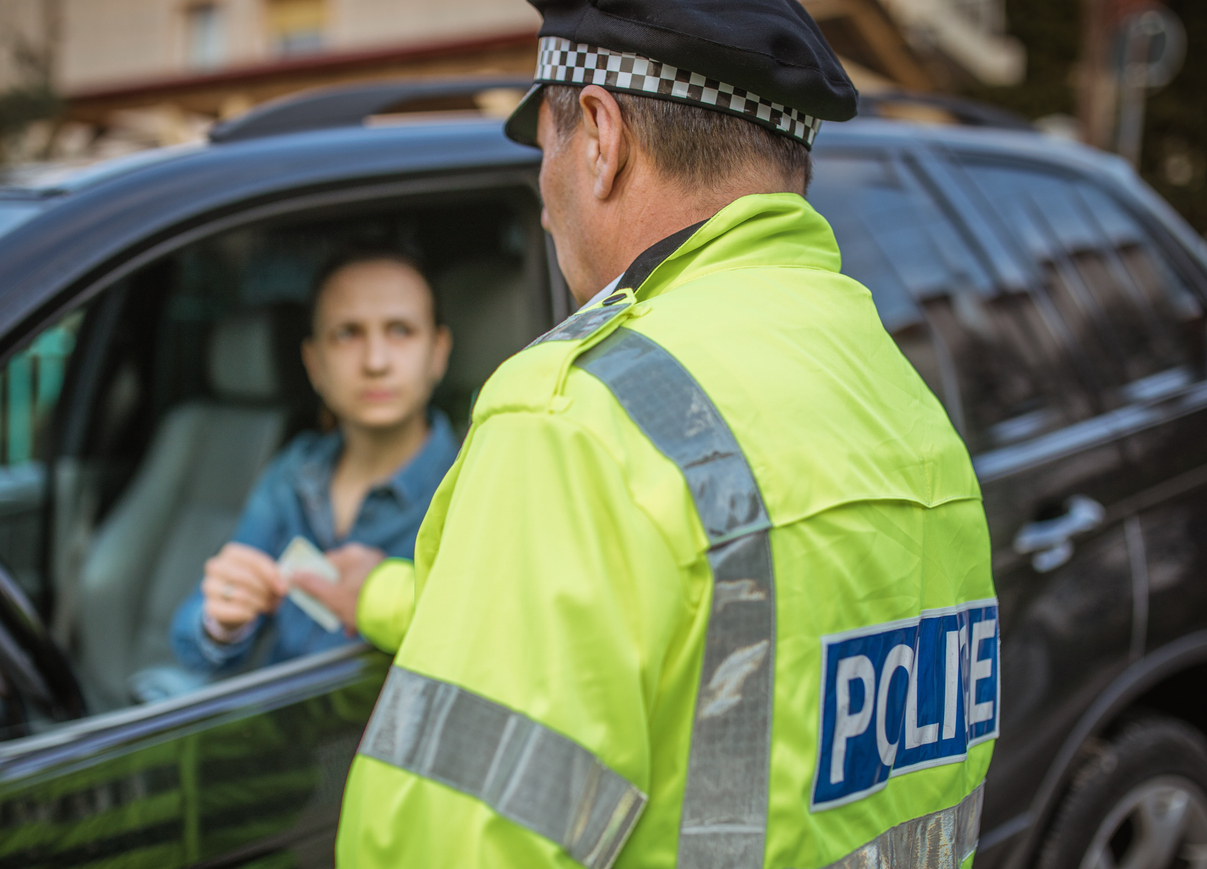
Can I claim compensation if the police pull me over unlawfully?
Yes. If the police have misused their powers, you may be entitled to compensation for:
- Distress or humiliation
- Loss of liberty
- Financial loss
- Damage to property
- Breach of your human rights
Each case depends on its facts, but unlawful stops and abusive conduct can form the basis of a successful claim against the police.
HNK Solicitors can help with your action against the police claim
At HNK Solicitors, we specialise in claims against the police, including cases involving unlawful traffic stops, abuse of power, discrimination, and wrongful detention.
Our experienced team can:
- Assess whether the police acted lawfully
- Advise you on your rights and options
- Gather evidence to support your claim
- Handle complaints and legal action on your behalf
- Act on a no-win, no-fee basis, where appropriate
If you believe the police pulled you over unlawfully or behaved improperly, contact HNK Solicitors today for free, confidential advice. Call 0151 668 0819 or email enquiries@hnksolicitors.com. We are here to protect your rights and hold the police accountable when their powers are misused.