Does a police officer have to identify themselves UK
Does a police officer have to identify themselves UK
If you are stopped, questioned, or arrested by the police, you may reasonably ask: does a police officer have to identify themselves in the UK?
In many situations, yes, they do have to. When officers fail to properly identify themselves when exercising police powers, this can be a serious breach of police rules and codes of conduct and, in some cases, may amount to unlawful conduct that gives rise to a civil claim for compensation. Read on to learn more about when police have to identify themselves in England and Wales and when they could be acting unlawfully.
Does a police officer have to identify themselves UK?
In short, yes, police officers do have to identify themselves when exercising their powers. Plain clothes officers must show their warrant card, while uniformed officers should display name badges and provide details if requested. This is particularly important during formal actions like arrests or stop and searches.
The police arrest process states that officers must identify themselves as police. They must also:
- Tell you that you are being arrested.
- Tell you what crime they think you have committed.
- Explain why it is necessary to arrest you.
- Explain that you are not free to leave.
If an officer does not identify themselves or follow any of the other rules in the police arrest procedure, this goes against your rights, and you could have grounds to claim compensation for unlawful behaviour. Learn more about your rights during the police arrest procedure here.
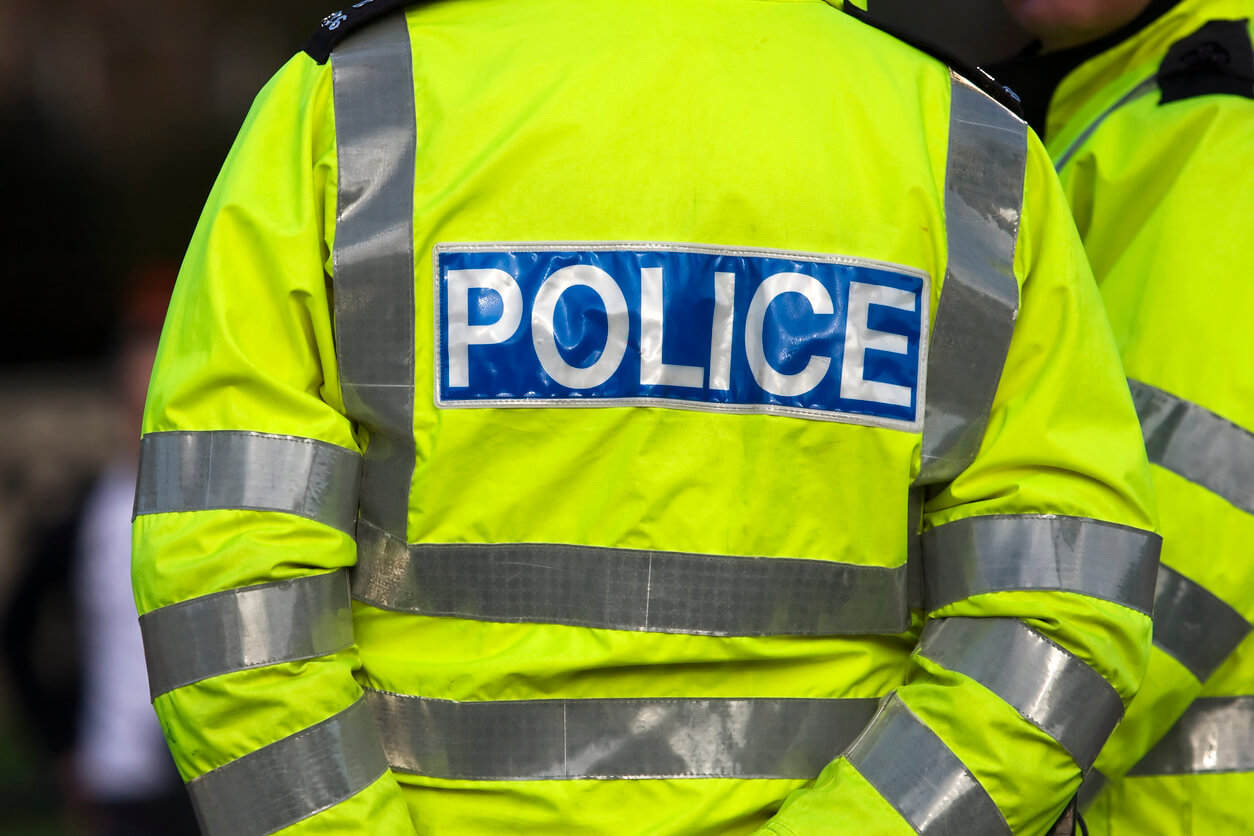
When must a police officer identify themselves?
1. When stopping or detaining you
If a police officer stops you or detains you, they must normally provide:
- Their name or collar number
- The police station they are attached to
- The reason for the stop
This requirement is reinforced by PACE Code A, which governs stop and search powers, and failure to provide this information can render the stop unlawful.
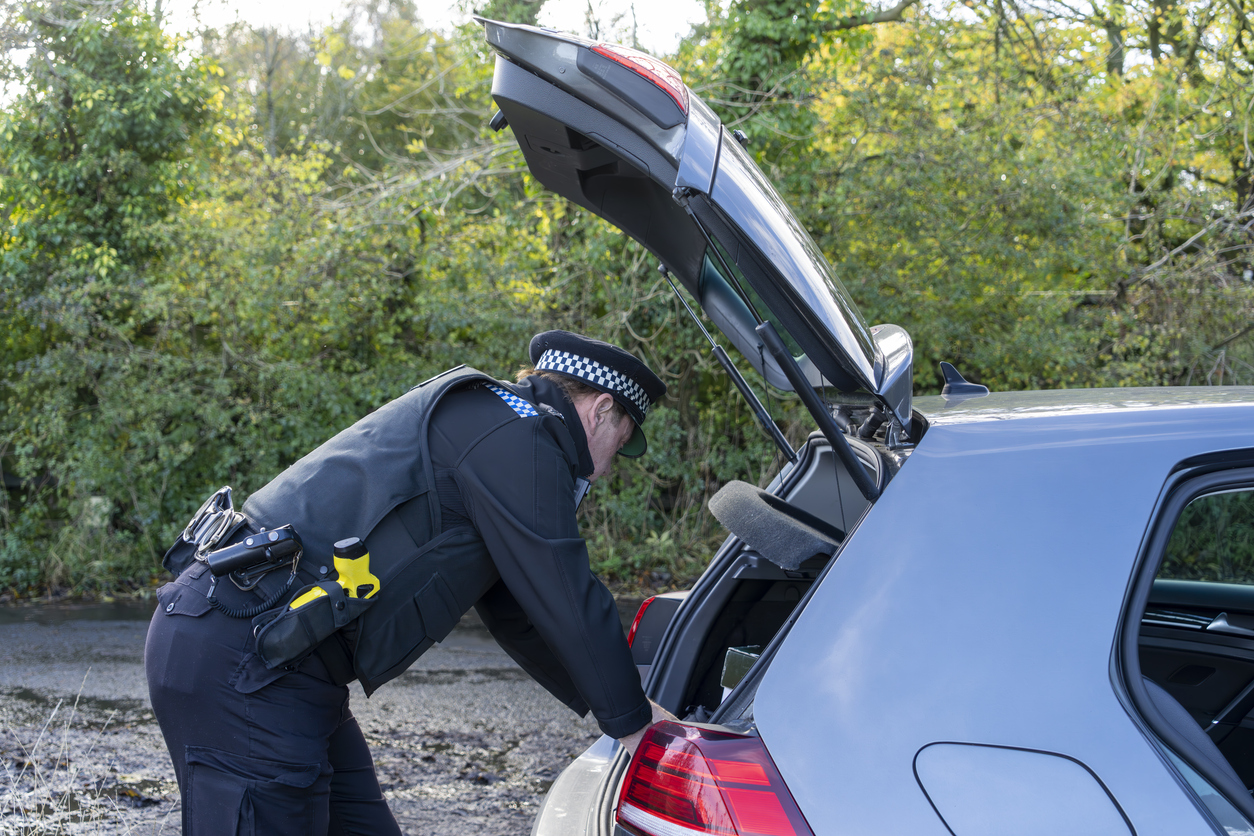
2. During stop and search (PACE Code A)
Under Section 2 of the Police and Criminal Evidence Act 1984 (PACE), before a stop and search takes place, officers must tell you:
- Their name and the police station.
- The legal power being used.
- The grounds for the search.
- Your right to a copy of the search record.
If an officer conducts a search without properly identifying themselves, the search may be unlawful.
3. When making an arrest
As previously discussed, the police must follow a set police arrest procedure to make an arrest lawful. When arresting someone, a police officer must:
- Identify themselves as a police officer.
- Tell you that you are under arrest.
- Explain what crime you are being arrested for, and the necessity for arrest.
An arrest carried out without proper identification or explanation may amount to false imprisonment or unlawful arrest.
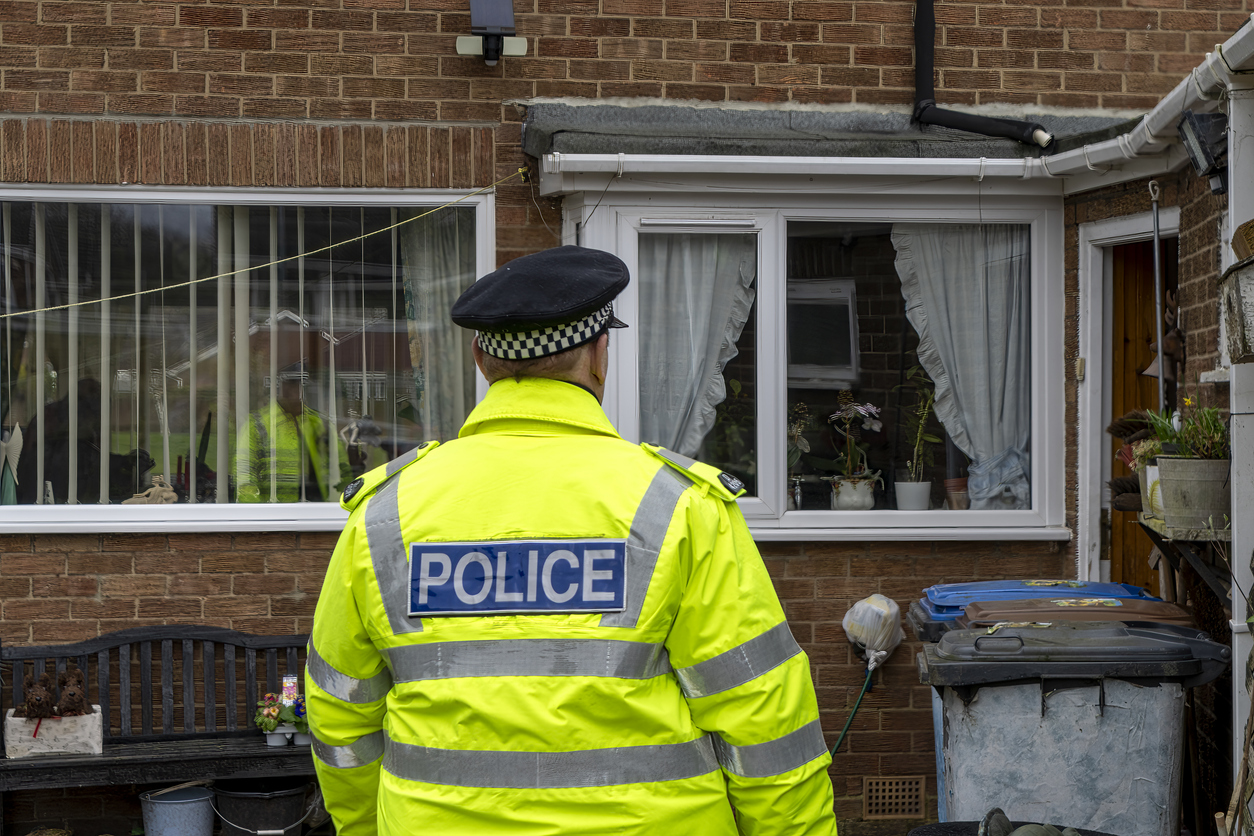
4. When entering your home
The Police and Criminal Evidence Act 1984 (PACE) outlines specific police powers of entry, detailing when police are allowed to enter your premises. The police powers of entry largely depend on whether or not a warrant has been issued. If police do have a warrant to enter your home, they should:
- Identify themselves
- Make reasonable efforts to contact the occupant, unless doing so would compromise the investigation.
- State their legal authority (e.g., a warrant or statutory power)
- Explain the purpose of entry.
- If the resident is not on the premises, they must leave a visible written notice explaining their reason for entry.
If officers enter without identifying themselves or without lawful authority, this may constitute unlawful entry, trespass to property, and police misconduct.
When do police not have to identify themselves?
There are limited exceptions where police do not have to identify themselves, including:
- Certain covert operations
- Immediate threats to life or safety
- Situations where identification would genuinely compromise an urgent operation
However, these exceptions are narrow and often misapplied. Police cannot simply refuse to identify themselves for convenience or authority.
Is it unlawful if police refuse to identify themselves?
In many cases, yes, it is unlawful for police to refuse to identify themselves. If it is detailed in police legislation that they must identify themselves, and they do not, this is unlawful behaviour.
Police may be acting unlawfully if they:
- Refuse to give a name or badge number.
- Fail to explain the reason for a stop, search, or arrest.
- Exercise powers without identifying themselves first.
- Misrepresent their legal authority.
If this occurs, you could be entitled to make a police claim for compensation.
What if you were stopped, searched, or arrested by an officer who didn’t identify themselves?
If you were stopped, arrested, or searched either personally or if your home was searched by a police officer who did not identify themselves, this could be classed as unlawful behaviour, and any action taken after this could also be classed as unlawful. This could lead to claims for:
If police have ever not identified themselves to you when they should have, you could be entitled to claim compensation. To do this, you can make a civil action against the police claim. It is best to seek the help of an experienced police claims solicitor when doing so, as they will be able to tell you exactly what you could be entitled to claim for and help you get the maximum amount of compensation for the ordeal you suffered.
Can you claim compensation for police misconduct?
Yes. If police failed to identify themselves and acted unlawfully, you may be able to bring a civil claim against the police.
Compensation may be available for:
- Loss of liberty
- Distress and anxiety
- Damage to reputation
- Breach of your human rights
Each case depends on the facts, but unlawful conduct does not require physical injury. How much compensation you receive can depend on many different factors. Read our police compensation payouts guide for more information.
HNK Solicitors can help with your police claim
If you believe police acted unlawfully or failed to identify themselves properly, you should seek legal advice as soon as possible. HNK Solicitors has a team of experienced police claim solicitors with many years of experience helping clients successfully claim compensation for police misconduct.
We can assess your case, explain your options, and advise whether you are entitled to compensation. We can take on cases on a no-win, no-fee basis and will fight to get you the compensation you deserve. Start your claim today by getting in touch with our experienced police misconduct solicitors. Call 0151 668 0813, email enquiries@hnksolicitors.com, or fill in our online claim form.