Can I Request Bodycam Footage from Police? Your Legal Rights Explained
Can I Request Bodycam Footage from Police? Your Legal Rights Explained
If you’ve had an interaction with the police, you may be wondering: can I request bodycam footage from police? Especially if you were unhappy with the interaction with the police and feel they may have acted unlawfully, such as using excessive force, arresting you unlawfully or stopping and searching you without reasonable grounds.
The short answer is yes, in many cases you can request bodycam footage from police, but access is governed by strict legal rules, and the process isn’t always straightforward.
In this guide, we will explain when you can request police bodycam footage, how to request it step-by-step, the laws that control access and how footage can support a police complaint or compensation claim.
What is police bodycam footage?
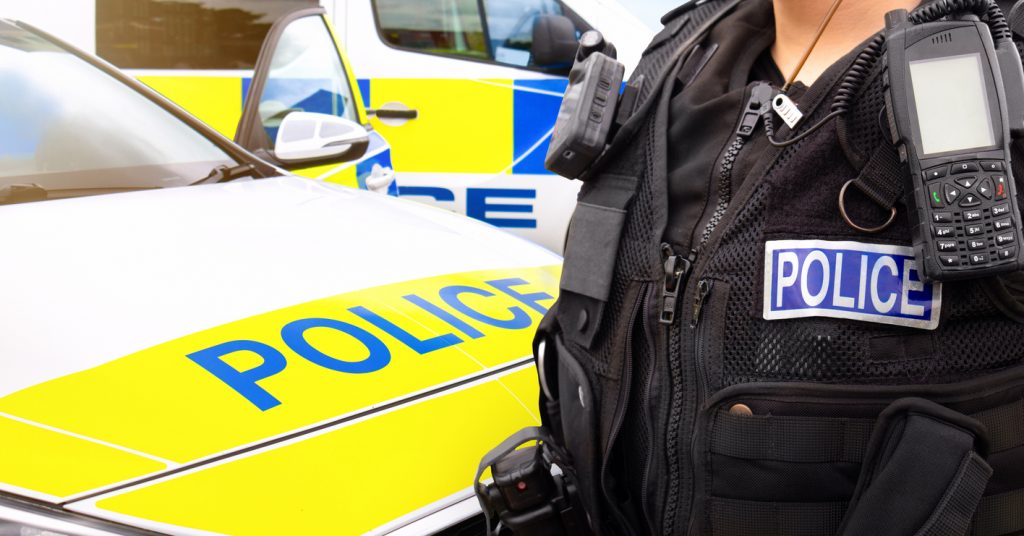
Police body-worn cameras (often called “bodycams”) are used by officers to record interactions with the public, including:
- Arrests
- Stop and searches
- Public incidents
- Use of force
This footage can be crucial evidence, particularly if you believe you’ve been treated unfairly.
Key regulations around police body-worn cameras
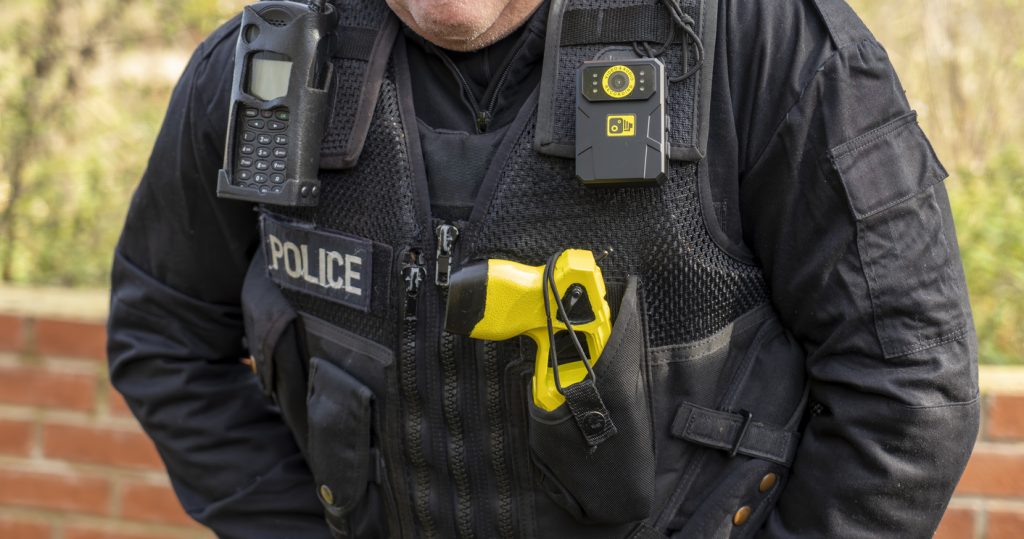
The use of police body-worn cameras is standard practice across England and Wales. While it is not legally mandated that they must have body-worn camera’s on at all times, they are generally required to be used during frontline incidents, arrests, or when using force.
Cameras should be worn overtly, and be clearly visible, on the chest area. If a police body-worn camera is available and not used in a mandatory situation, officers must justify why and are expected to provide rationale behind this in their notes. Police do not need an individual’s consent to record them.
Can I request bodycam footage from police?
Yes, under UK law, you can request access to bodycam footage if you are identifiable in the recording. However, access is not automatic. Police forces must balance your rights against:
- Privacy rights of others
- Ongoing investigations
- Data protection laws
Laws that govern access to police bodycam footage
Requests for bodycam footage are mainly handled under the:
1. Data Protection Act 2018 & UK GDPR
You can make a Subject Access Request (SAR) to obtain personal data held about you from police, including video footage.
To qualify:
- You must be clearly identifiable in the footage
- The request must relate to your personal data
2. Freedom of Information Act 2000
This law allows access to general information held by public authorities.
However:
- It is rarely used for bodycam footage
- Requests are often refused due to privacy exemptions
3. Criminal Procedure & Investigations Act 1996
If you are involved in a criminal case:
- Footage may be disclosed as evidence during proceedings
How to request police bodycam footage
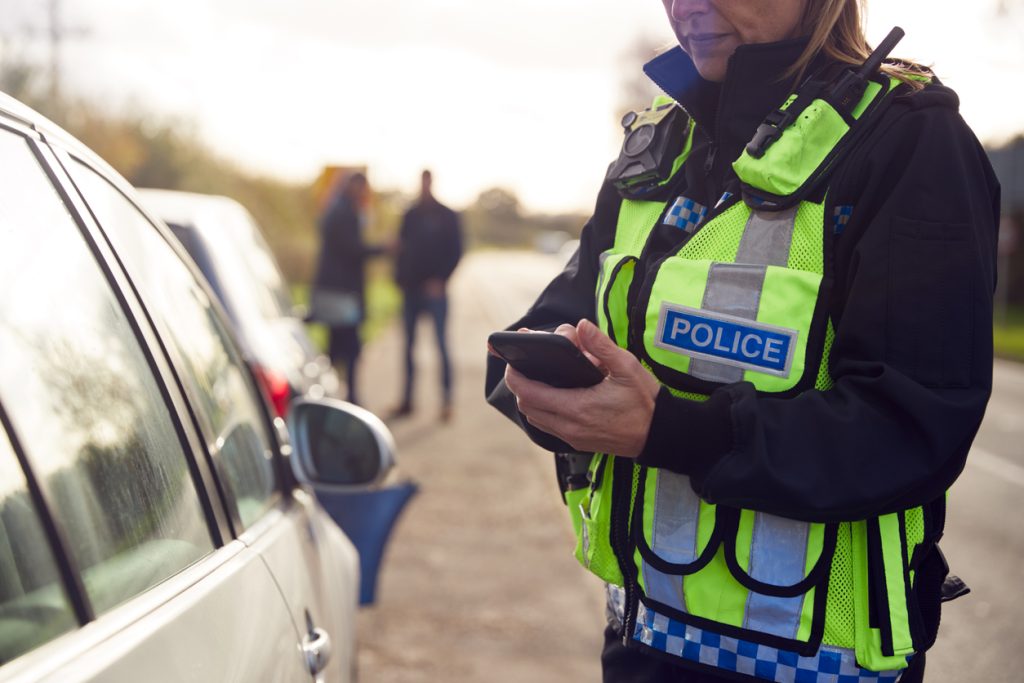
If you’re wondering how to request police bodycam footage, here’s the process:
Step 1: Submit a Subject Access Request (SAR)
Contact the relevant police force and request:
- Copies of any bodycam footage featuring you
- Dates, times, and location of the incident
Step 2: Provide identification
You’ll usually need to provide:
- Proof of identity
- Details to help locate the footage
If you want footage of someone else, or there is someone else in the footage with you, usually you will require their written permission to access this footage.
Step 3: Wait for a response
Police typically have:
- One month to respond (can be extended in complex cases)
It is important to note that police usually hold onto non-evidential footage for around 28 – 30 days, so you should make your request as soon as possible.
When might a request for police bodycam footage be refused?
Police may refuse or limit access if:
- It would impact an ongoing investigation
- Other individuals appear in the footage
- Disclosure could compromise public safety
In some cases, footage may be:
- Redacted (blurred or edited)
- Partially disclosed
While you can request access to the body-worn camera footage from police, obtaining access is not guaranteed. This is why it can be helpful to get advice from the police claim solicitor, if you are intending on using the footage to support a claim, as they will be able to help you apply within the set time limit and appeal any potential rejections, if possible.
When should you request police bodycam footage?
Requesting footage can be especially important if you believe you’ve been treated unfairly, or police have acted unlawfully.
Common situations include:
- You were wrongfully arrested
- You experienced excessive force
- You were subjected to an unlawful stop and search
- You believe there was police misconduct or discrimination
- Your property was damaged during a police incident
In these cases, bodycam footage can provide objective evidence of what actually happened.
Can bodycam footage help a police complaint or claim?
Yes, police bodycam footage can be one of the strongest forms of evidence in a case against the police.
It can help:
- Verify your version of events
- Highlight inconsistencies in police accounts
- Demonstrate misconduct or procedural failures
- Strengthen your claim for compensation
Without this evidence, cases often rely heavily on conflicting witness statements.
Time limits apply: Why you should act quickly
Bodycam footage is not kept forever. As previously mentioned, time limits apple. The police store footage for a limited period (sometimes as little as 28 – 30 days if not flagged). This means you should request it as soon as possible after an incident.
How HNK Solicitors can help
If you’re wondering, “can I request bodycam footage from police?”, this is usually because you think there has been some kind of misconduct by police during your interaction, so there’s a good chance you may also have grounds for a legal claim.
Getting early legal advice can make a significant difference, especially when key evidence like bodycam footage is involved. HNK Solicitors are specialists in claims against the police and can guide you through every step of the process.
Requesting bodycam footage isn’t always straightforward, and mistakes can delay or weaken your case. At HNK Solicitors, our expert police claims solicitors can help you submit a Subject Access Request to access police bodycam footage in good time, ensure the correct legal grounds are used and assess the footage to see if you have a case to claim compensation.
We have many years of experience helping clients successfully obtain compensation from the police after suffering misconduct. Our solicitors ensure we act quickly to prevent footage being deleted and gather evidence to build a strong case for compensation.
Get in touch with our team today for a free, no-obligation consultation. We can even take on claim on a no-win, no-fee basis, so you don’t pay a penny upfront to start your claim against the police. Call us on 0151 668 0813 or email enquiries@hnksolicitors.com and let us fight for the compensation you deserve.