Can police search your phone without permission?
Can police search your phone without permission?
In England & Wales, the police are not allowed to search your phone without your permission unless they have grounds or lawful justification to do so. This means they must have a specific search warrant, you must be lawfully placed under arrest, or they must be acting under specialised powers. Police powers are not unlimited, they must have lawful basis for taking, searching and accessing your device.
If police take or search your phone, it can feel like a serious invasion of privacy. Our phones often have a lot of sensitive information and personal data on them, including messages, photos, banking apps, social media accounts and other private information. It’s understandable that you wouldn’t want people to access that without your permission.
If you end up in an interaction with the police, whether it be a stop and search, or you’re placed under arrest, you may well be wondering: “can police search your phone without permission?” While there may be instances where police can seize or access your phone, they do not have unlimited power to search your phone whenever they choose.
In this article, we will break down the situations where police can access your phone in England & Wales, when they can unlock and search it and what you can do if you feel your rights were breached and police searched your phone unlawfully.
As expert action against the police solicitors, we can help you to understand when police are acting lawfully and when they are not. We can also help you to take action when police have acted unlawfully, potentially helping you to claim compensation for the incident.
Quick answer: can police search my phone without permission?
Police may be able to seize or search your phone without your permission in specific situations and under certain circumstances, such as after an arrest, during an investigation or when they have a lawful search power or warrant in place. However, there must be a legal basis and reasonable grounds for them to access your phone. They cannot simply search your phone without justification.
Different rules apply regarding seizing a device, accessing the contents of the phone, and requiring you to provide a passcode. We’ll explain this in more detail below.
Can police take your phone without permission in England & Wales?
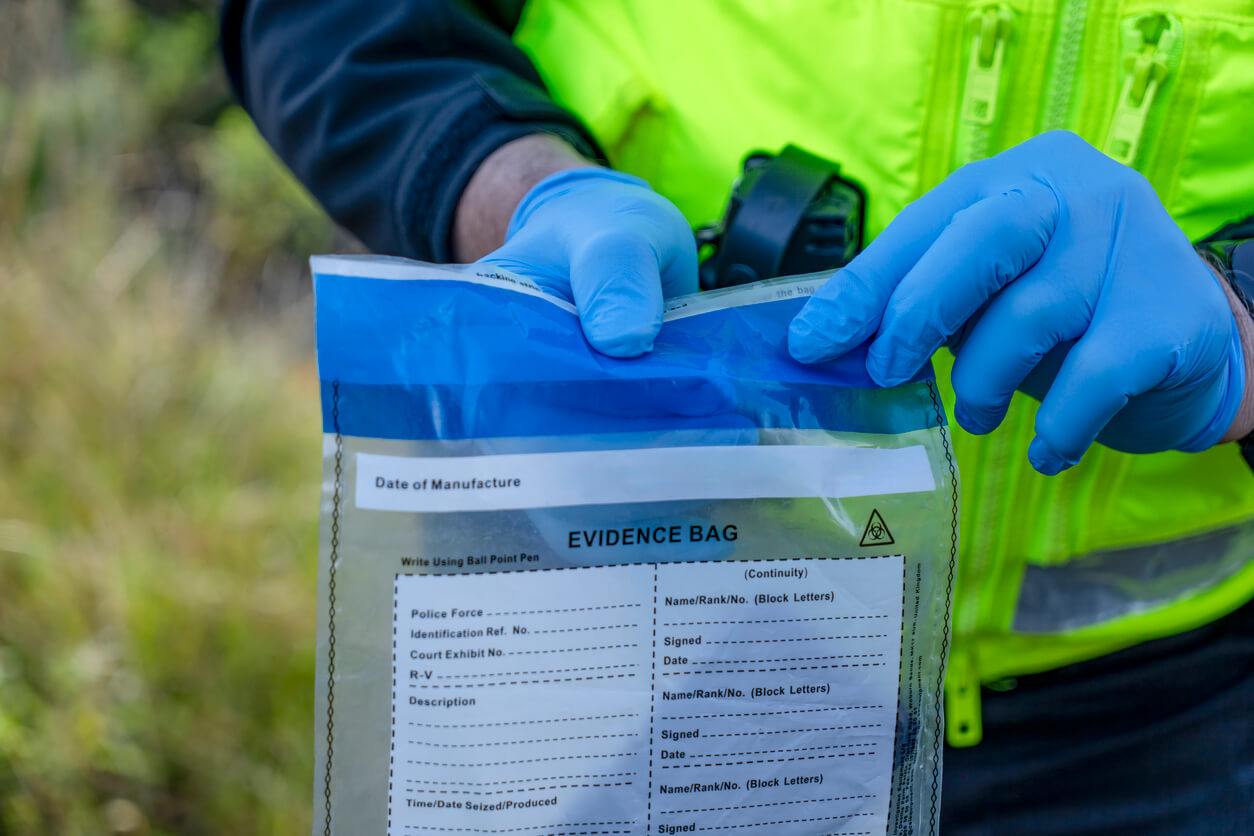
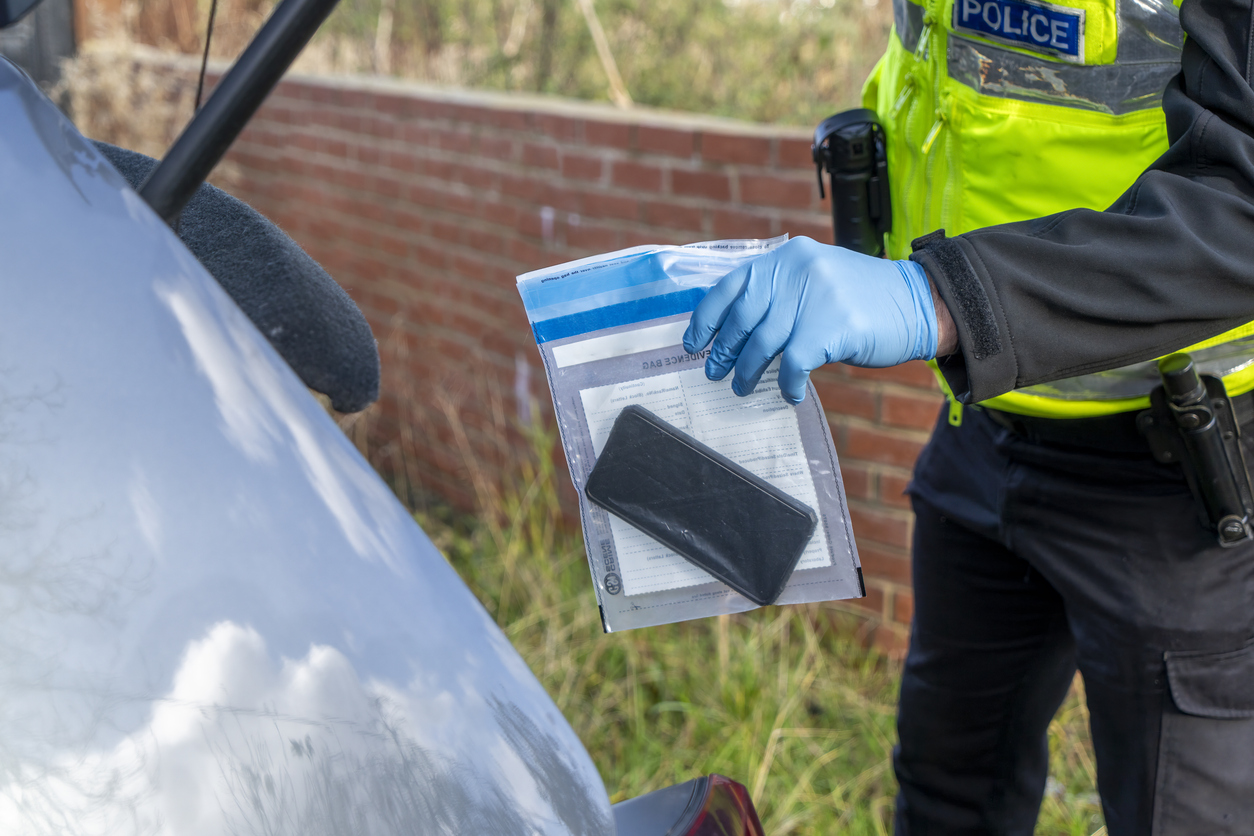
In England & Wales, police can seize your phone for a few reasons. This includes when you are under arrest, if they have a search warrant to seize it, or if they are lawfully on premises and have reasonable grounds to believe the phone contains evidence of a crime and it is needed to prevent it being lost, destroyed or concealed.
Specific circumstances where police can lawfully take your phone include:
- When you are arrested: If you are lawfully arrested, the police can take your phone (and other items) that are on your person as part of your personal belongings under section 32 of the Police and Criminal Evidence Act (PACE). This does not automatically mean they are allowed to access it though; to do so they would need a warrant or your consent.
- Under Section 19 of PACE: Physically seizing your phone is lawful under PACE s.19 if the officer has reasonable grounds to believe that it contains evidence of an offence.
- With a valid warrant: Officers can seize your phone if they have a valid search warrant which they can present to you.
- Exigent Circumstances: Police can seize a phone if they believe that delaying getting a warrant would result in the destruction, concealment or alteration of evidence or if they feel a victim is at risk.
- Specific sexual offences and home searches: In England and Wales, police can search premises without a warrant for serious sexual offences or domestic abuse investigations. Sometimes in these situations, police are also able to seize phones if they believe immediate action is needed to preserve evidence and protect victims.
However, police should be able to explain why they are taking the phone and what legal power they are relying on. They should not take your phone simply because they want to look through it. If your phone is seized, you should ask for a record or receipt confirming that police have taken it.
The police cannot make you reveal your phone password or PIN unless they obtain a notice under section 49 of the Regulation of Investigatory Powers Act 2000 (RIPA). If they obtain this, they can compel you to hand over passwords, PINs and passkeys. Failure to do so is an offence and can result in a maximum of two years’ imprisonment, or five years if the case involves national security or child indecency.
Can the police seize my phone during a stop and search?
During a stop and search, police cannot automatically seize your phone. Under certain circumstances, however, such as during counter-terrorism operations or authorised anti-violence patrols, police are awarded specific stop and search powers that may allow them to seize a phone believed to be linked to criminal activity.
The police cannot simply take your phone because they want to look through it, without reasonable grounds. You are also not compelled to provide them access to your phone during a routine stop and search.
Is taking your phone the same as searching your phone?
No, taking your phone and searching your phone are two different things. For example, police may be able to seize your phone during an arrest, but this doesn’t automatically allow them to search it. The below table will help you to understand what police can do and when.
| Police action | What it means | Is separate authority needed? |
| Taking your phone | Police physically seize the device | They need a lawful power to seize it |
| Searching the outside of the phone | Looking at the device, case or visible notifications | Depends on the circumstances |
| Accessing the contents | Looking through messages, photos, apps, call logs or data | Usually requires a lawful basis or a separate warrant |
| Downloading data | Extracting phone data for investigation | Requires proper authority and justification |
| Keeping the phone | Retaining it for examination or evidence | Must be necessary and proportionate |
| Asking for your passcode | Requesting or requiring access | You are not compelled to do so unless they have a notice under RIPA |
If police accessed your phone beyond what was necessary or authorised, this may support a complaint or civil claim.
Can police access my phone without permission?
Police may be able to access your phone without permission in some circumstances, but they must have a lawful basis for doing so. Accessing a phone is highly intrusive because it may reveal private information about you and other people.
The police should only access information that is relevant to the investigation and within the scope of their powers. A broad or unnecessary search of unrelated personal data may be unlawful.
If the police accessed your phone and you do not understand why, you should ask what power they relied on and what information was examined.
Can police unlock your phone in the UK?
The police may ask you when taking your phone to unlock it or provide your passcode or PIN, but whether or not you are legally required to do so depends on the circumstances and what legal powers they are asking under.
Just because an officer asks you to unlock your phone, it does not mean you are legally obligated to do so. However, the police can legally compel you to unlock your phone if they have a written noticed under Section 49 of RIPA. Technically, even after this you can still not provide your phone password, but it can result in criminal prosecution with up to 2 years in prison.
You should not feel pressured into providing access to your phone without understanding your rights. If police ask you to unlock your phone, feel free to ask if you’re legally required to do so, what information is it they want to access and whether you can speak to a solicitor first.

Can police search your phone after an arrest?
Police may seize your phone after arrest to examine it if they believe it contains evidence to the offence in question or investigation. However, an arrest does not give police unlimited powers to search every part of your device. Police must still act lawfully, reasonably and proportionately. If they are searching for your phone, it should be in connection with the investigation and should not go beyond what is necessary.
For example, if the phone was seized due to an allegation that relates so messages sent on a specific date, it’s questionable whether police were entitled to access wider personal information such as historic photographs, unrelated conversations or sensitive private information.
Can police take your phone during a house search?
During a house search, if the police have entered your home lawfully and have the right to search your property, police may take your phone if they believe that it contains evidence of falls within the scope of the warrant or search power being used. However, police should not seize every phone in a property without proper justification. This is especially important if there are devices that belong to family members, housemates, employees or people who are not suspects.
If the police took your phone during a search and you were not involved in the investigation, this may have been unlawful. To learn more about your rights during a police search and the police powers of entry in England and Wales, read our blog.
Can police access deleted messages or WhatsApp’s?
Police may, in some cases, be able to access WhatsApp messages, social media messages, text messages, deleted content or other phone data if they lawfully seize and examine the device. In certain cases, digital forensic tools may be used to extract information or deleted content from a phone.
The police must have a legal basis for accessing and examining the data though. They shout not carry out a broad or excessive search on data that is unrelated to the case. You should not delete any messages, clear your phone or interfere with potential evidence, as doing so can create further issues.
How long can police keep your phone?
In England and Wales, the police can keep your phone for as long as “reasonably necessary”, for their investigation or until the conclusion of any court proceedings. Technically, they can keep the phone for as long as they see fit whilst the case is open, and there are no laws that state they must return your device within a specific timeframe.
Although there is no strict legal time limit on how long they can hold your phone, the time frame usually ranges from a few weeks to several months depending on the complexity of the case. However, it can stretch to years, or, in some cases, your phone may never be returned, and they may destroy it once the case is formally closed if:
- Illegal material is found on it (e.g. indecent images)
- They believe it was purchased with money acquired from criminal activity
- If it was used to commit or facilitate a crime
- If the device was stolen or loaned to you
If the police are keeping your phone for longer than is necessary, or refuse to return it without a proper reason, you may be able to challenge this.
What if the police searched your phone unlawfully?
Police searching your phone may be unlawful if officers did not have a legal power to seize or access the phone, searched data that was not relevant, retained the phone for too long or misused the information they found. Depending on the circumstances, you may be able to bring a claim for misuse of private information, breach of data protection law, breach of human rights, trespass to goods, police misconduct, wrongful arrest or false imprisonment.

What should you do if police take or search your phone?
If police take or search your phone, you should try to stay calm and avoid obstructing officers if they are exercising a lawful power. However, you are entitled to ask questions and seek legal advice.
You should:
- Ask what legal power police are relying on.
- Ask whether the phone is being seized as evidence.
- Ask for a property receipt.
- Ask whether the phone will be examined or downloaded.
- Ask how long police expect to keep it.
- Ask for legal advice before providing a passcode.
- Keep all paperwork.
- Write down what happened as soon as possible.
- Speak to a solicitor if you believe your rights were breached.
- Make a not of any current damage to the phone or the state of the phone prior to seizure so you can highlight any damage when it is returned.
If you were arrested, you should also request a copy of your custody record.
How HNK Solicitors can help you
HNK Solicitors specialises in civil actions against the police. If police took, searched, accessed or kept your phone unlawfully, we can advise you on whether you may be able to bring a claim.
Our team of specialist police claim solicitors have years of experience helping clients claim compensation for police misconduct. For example, we recently helped a client claim £87,000 from Thames Valley Police for trespass to property, false arrest and imprisonment, and assault and battery.
If you feel you have been treated unfairly by police and they have acted unlawfully, get in touch with our team today. We can arrange a free consultation to discuss the details of your case and even take on cases on a no-win, no-fee basis. Our experienced solicitors are here to help. Get in touch today on 0151 668 0818, email enquiries@hnksolicitors.com or fill in our online form and we’ll be in touch.
This article was reviewed by Demi Drury, Partner and Head of Civil Liberties.