Can police search your car without a warrant in England & Wales?
Can police search your car without a warrant in England & Wales?
Can police search my car without a warrant? This is one of the most asked questions by motorists and individuals who are pulled over by police. Being pulled over by police and having them search your car can feel intimidating, embarrassing and even confusing if you don’t understand the reason why, or whether they are acting lawfully. Many drivers are unsure about the laws around police searching your vehicle, whether a warrant is always required, what powers police have and what rights they hold in these situations.
In England and Wales, police are awarded specific legal powers which allow them to stop and search vehicles in specific circumstances. These powers are not unlimited, though, which means police may be able to search your car without a warrant, but only if they are following set rules.
In this article, we will answer the question ‘can police search your car without a warrant?’, explaining when police can lawfully search your car, what your rights are when stopped by police and when a search can become unlawful.
Quick answer: Can police search your car without a warrant?
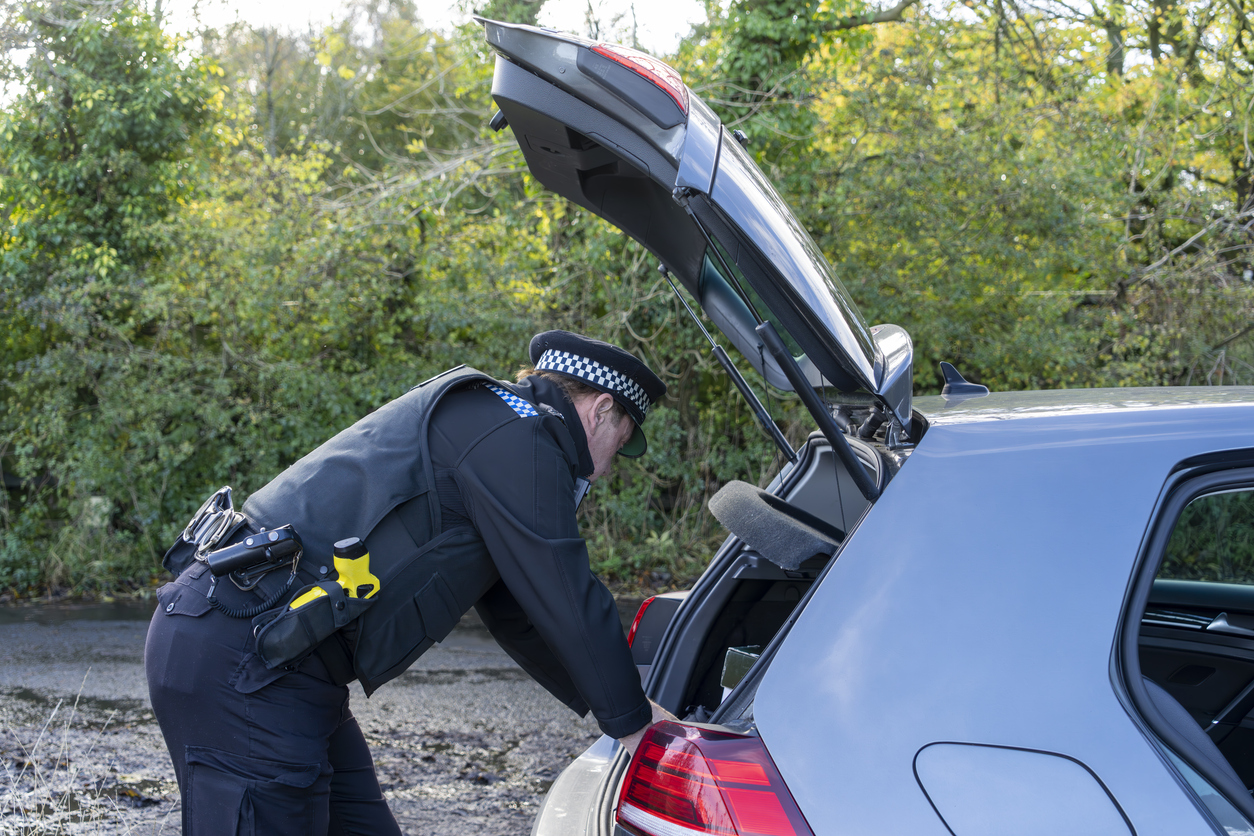
In short, yes, police in England and Wales can search your car without a warrant. Police are awarded specific legal powers under the Police and Criminal Evidence Act (PACE), which allow them to search a vehicle without a warrant if they have reasonable grounds to suspect they will find stolen goods, drugs, weapons or evidence of criminal activity.
The most common power under which vehicle searches are carried out is under Section 1 of PACE. However, police still have to follow strict legal procedures when searching your car, explaining the grounds for the search and respecting your rights throughout.

When can police search your car without a warrant?
In most roadside situations, police do need a warrant to search your car. Warrants are usually needed for premises searches, such as searching someone’s home. Police powers allow officers to search vehicles without a warrant, provided that:
- The officer has reasonable grounds to suspect the vehicle contains evidence or prohibited items
- The search falls under statutory powers such as PACE
- The car is stopped lawfully, either on the road or in a public place
The search of your vehicle cannot be carried out arbitrarily. There must be legal grounds for the police to search it, and an officer should be able to explain the grounds on which the search is being conducted.
What constitutes reasonable grounds for a vehicle search?
An officer must have reasonable grounds to suspect that there is evidence or illegal items in the vehicle in order for the search to be lawful. Reasonable grounds means that the officer must have an objective basis, based on facts or reliable intelligence, to justify the search. It cannot be based solely on:
- Personal appearance
- Stereotypes
- Race or ethnicity
- Age or clothing
If reasonable grounds do not exist, any search carried out could be unlawful.
Can police stop any vehicle they want?
Yes. Under section 163 of the Road Traffic Act 1988, a uniformed police officer can stop any vehicle on a public road without needing suspicion of a criminal offence. However, stopping a vehicle and searching a vehicle are two separate things and fall under different powers. A lawful stop does not necessarily mean they can lawfully search your vehicle.
For more information on when police can pull you over, your rights, and what procedures they should follow, read our blog on the subject.

Can police search your car during a stop and search?
Yes, police can search your car during a stop and search in England and Wales, if they have reasonable grounds (noted above).
An officer can legally stop any vehicle at any time and ask for driving documents, check the condition of the vehicle or deal with driving offences. This is classed as a vehicle stop and account. If the police then want to search the vehicle as they suspect evidence of a crime or prohibited items may be inside, this is then classed as a stop and search.
Under Section 60 of the Criminal Justice and Public Order Act 1994, Senior police officers can authorise searches without reasonable suspicion within a specific area if they believe that serious violence or disorder could take place and weapons are being carried.
Can police search your car after an arrest?
Yes. If you or a passenger in your vehicle is arrested lawfully, police may search the vehicle if they reasonably believe that evidence relating to the offence they were arrested for may be found inside the vehicle. The police may use this power if they believe the vehicle contains evidence of the offence, items linked to it or associated offences or other dangerous or illegal articles. The search must be connected to the reason for arrest and should be proportionate.
It’s important to note that if an arrest is unlawful, any search conducted afterwards may also be unlawful.
Can police search a parked car?
Whether the police can lawfully search a parked car without a warrant depends largely on whether it is parked on a public road or on private property.
If your vehicle is parked on a public road, the same rules apply as above. Police have the power to stop and inspect vehicles on public roads at any time, which includes parked vehicles. They can search the parked vehicle if they have reasonable grounds to do so.
If your vehicle is parked on private property, however, such as in your garage or driveway, an officer may then require a warrant to enter the property before searching the car, unless other legal grounds apply, such as to prevent serious harm or loss of evidence.

Can police seize items from your car?
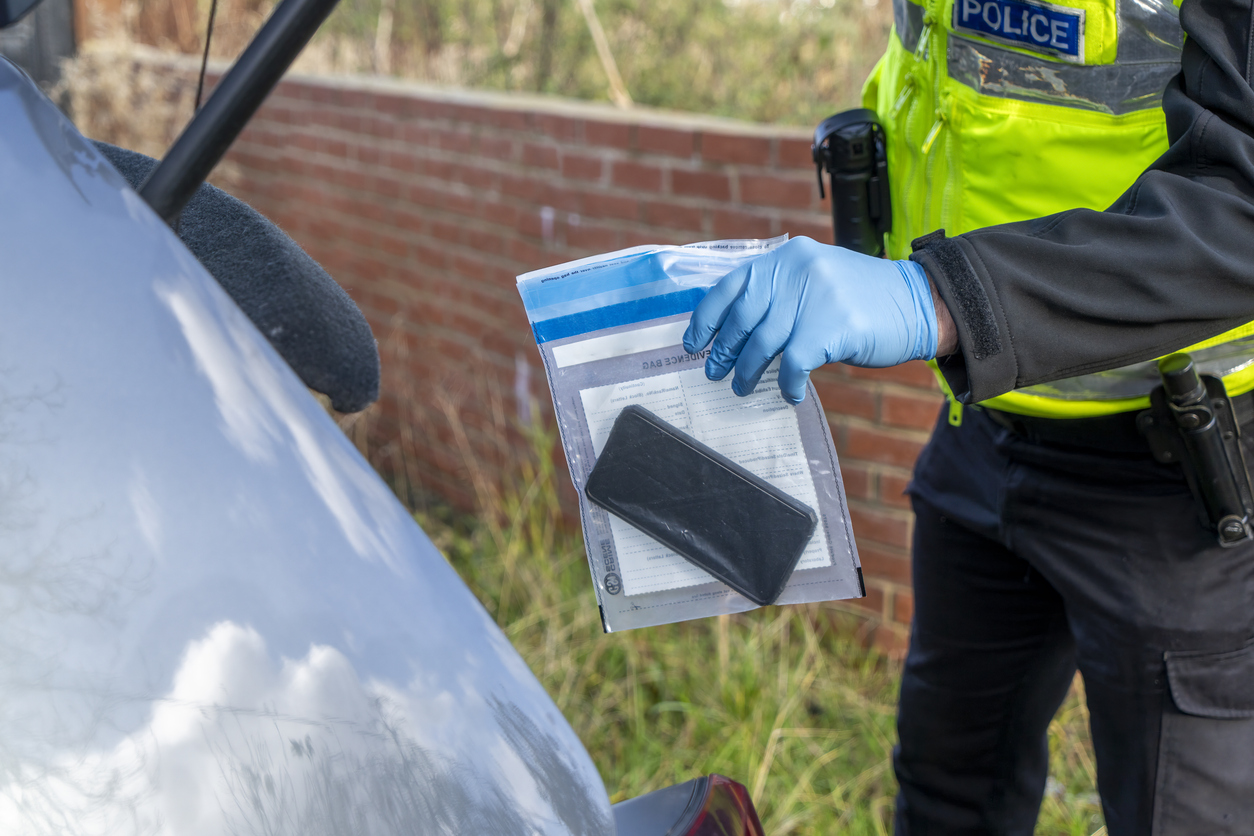
Police can seize items from your car during a search if they have lawful grounds to suspect the items are evidence of a crime, were obtained illegally, were stolen or pose a danger. There are clear parameters that determine when police can seize property from your vehicle:
- Evidence of an offence: Under Section 19 of PACE, police can seize items from your car if they have reasonable grounds to believe it is evidence of a crime or has been obtained as a result of a criminal act.
- To prevent loss or destruction: Officers can seize items if they believe they need to preserve them or protect them from being hidden, damaged, lost or destroyed.
- Stop and search powers: If police lawfully stop and search your vehicle, under laws such as the Misuse of Drugs Act 1971, they can seize illicit items (e.g. weapons, drugs or stolen goods) discovered during the search.
- Vehicle seizing: Your entire vehicle can be seized if police have reasonable cause to believe it is being driven without a proper licence or insurance, is dangerously parked, has been abandoned or is suspected of being used in a crime.
What are my rights during a vehicle search?
You have rights during a vehicle search, which the police should uphold. Before the search takes place, officers must provide information such as why the search is taking place, under what authority and provide their identification. This is often referred to as the GOWISELY procedure:
- G – Grounds for the search
- O – Object of the search
- W – Warrant card – if they are not uniform
- I – Identify themselves (name and collar number)
- S – Station they are from
- E – Entitlement – you are entitled to a copy of the search record
- L – Legal power used to conduct the search
- Y – You are being detained for the search
The officer must provide this information and follow the correct procedure; if they do not, the search can be deemed unlawful.
When is a police car search unlawful?
A police car search could be deemed unlawful for several reasons:
- If the officer had no reasonable grounds to search your vehicle
- You were not given a clear explanation of the search
- The search was based on discriminatory grounds (such as race, stereotyping or appearance)
- PACE procedures where not followed correctly
If you believe your vehicle has been searched unlawfully, you have the right to challenge this. You should keep note of the incident and speak to a specialist action against the police solicitor for advice.

Can you claim compensation for an unlawful vehicle search?
Yes. If your vehicle was searched unlawfully, for example, if police did not have reasonable grounds to conduct the search, you could be eligible to claim compensation. You do not have to accept poor police conduct; you can file a complaint or seek compensation for the ordeal you suffered. To claim compensation, you will need to make a civil claim against the police, and the best way to do this is by instructing a specialist action against the police solicitor, like HNK Solicitors.
What evidence should you keep?
If you believe the police searched your car without legal authority or that your rights were breached, you should:
- Make notes of the officer’s details, the time and location of the incident
- Request a copy of the search record
- Take pictures of any damage and note down any seized items
- Avoid confrontation at the roadside
- Seek legal advice
Solicitor commentary
“A lot of clients I have represented in the past unfortunately don’t know their rights. Many people think the police can search their vehicle as part of a routine stop of a vehicle. However, that is clearly not the case. The searching officer themselves must have honest and reasonable grounds to suspect they will find something prohibited. Prior to the search, you must be informed the officers name, station they are attached, the grounds they are relying upon and what legal power, so you are fully aware as to why a search will be commenced. Once you are out of your vehicle, I would encourage members of the public to remain calm and record the incident if they can on their mobile phone”.
How HNK Solicitors can help
While the police can search your car without a warrant in England and Wales, this does not mean that all searches are lawful. Police must have reasonable suspicion and follow strict procedures. Understanding your rights during a police search, and when police need a warrant to search can help you determine whether police are acting lawfully and take action if they are not.
We are specialist action against the police and civil liberties solicitors, who can help you make a claim against the police following an unlawful search. We have helped thousands of clients claim compensation for unlawful behaviour by police; check out our case studies to see some examples.
If you think police have searched your vehicle unlawfully, or have suffered misconduct at the hands of police, get in touch with our specialist team today. We offer free consultations and can take on claims on a no-win, no-fee basis, so you don’t pay a penny upfront to start your claim.
Call 0151 668 0812, email enquiries@hnksolicitors.com, or fill in our online claim enquiry form, and one of our team will be in touch to arrange a consultation.
Frequently asked questions
Can police search your car without a warrant?
Yes, police can search your car without a warrant in certain circumstances, but they must have a lawful power and reasonable grounds to do so. They cannot search your vehicle without proper justification.
Can police search your car without permission in the UK?
Police may be able to search your car without your permission if they have legal grounds, such as under stop and search powers or if they believe the vehicle contains evidence of an offence. If there is no lawful basis, the search may be unlawful.
What grounds do police need to search a car?
Police usually need reasonable grounds to suspect that the car contains stolen goods, drugs, weapons, evidence of an offence or other prohibited items. They should explain the reason for the search and the power they are using.
Can police search your car during a traffic stop?
A traffic stop alone does not automatically give police the right to search your car. They would usually need reasonable grounds or another lawful power to carry out a vehicle search.
Can police search your boot?
Yes, police may search your boot if the vehicle search is lawful and they believe relevant items could be found there. The search should stay within the limits of the power being used.
Can police search bags inside your car?
Police may search bags inside your car, which includes bags of passengers inside the car, if they have lawful grounds and believe the bags could contain items relevant to the search. However, the search must be necessary, proportionate and properly justified.
Can police seize your phone or belongings from your car?
Yes, police may seize your phone or belongings if they reasonably believe they are evidence, stolen property, prohibited items or otherwise relevant to an investigation. They should provide a record of what has been taken.
Can you refuse a car search?
If police have a lawful power to search your car, you should not obstruct them. However, you can ask what power they are using, why they are searching the vehicle and whether you will receive a search record.
What happens if police search your car unlawfully?
If police search your car without lawful grounds, the search may amount to police misconduct. You may be able to make a complaint or bring a civil claim, especially if property was damaged, items were seized, or you were arrested or detained unlawfully.
Can you claim compensation for an unlawful vehicle search?
Yes, you may be able to claim compensation if police searched your vehicle unlawfully, damaged your property, seized belongings without proper justification, used excessive force, or breached your rights during the search.