What happens after a voluntary police interview in England and Wales?
What happens after a voluntary police interview in England and Wales?
Participating in a voluntary police interview under caution can be unsettling and leave you feeling confused, worried, and anxious. Often, you leave without receiving a definitive conclusion to what is going on, as police are usually still investigating after the interview has finished. You are usually free to leave the station at this point.
So, what happens after a voluntary police interview? Depending on the case and the circumstances, there are several potential outcomes after a voluntary police interview. The police will review the evidence to decide on one of the four main outcomes:
- no further action.
- release you under investigation.
- issue an out-of-court disposal such as a postal requisition.
- refer the case to the Crown Prosecution Service (CPS) to consider charges.
The length of time it takes for you to get an answer or outcome can differ greatly depending on the complexity of the case. It could take weeks, months, or longer.
If you have attended or the police have requested you attend a voluntary police interview, it is important to understand what to expect, how the process works and your rights. In this article, we will explain this as well as what happens after a voluntary police interview, how long you can expect to wait for an update and the possible outcomes.
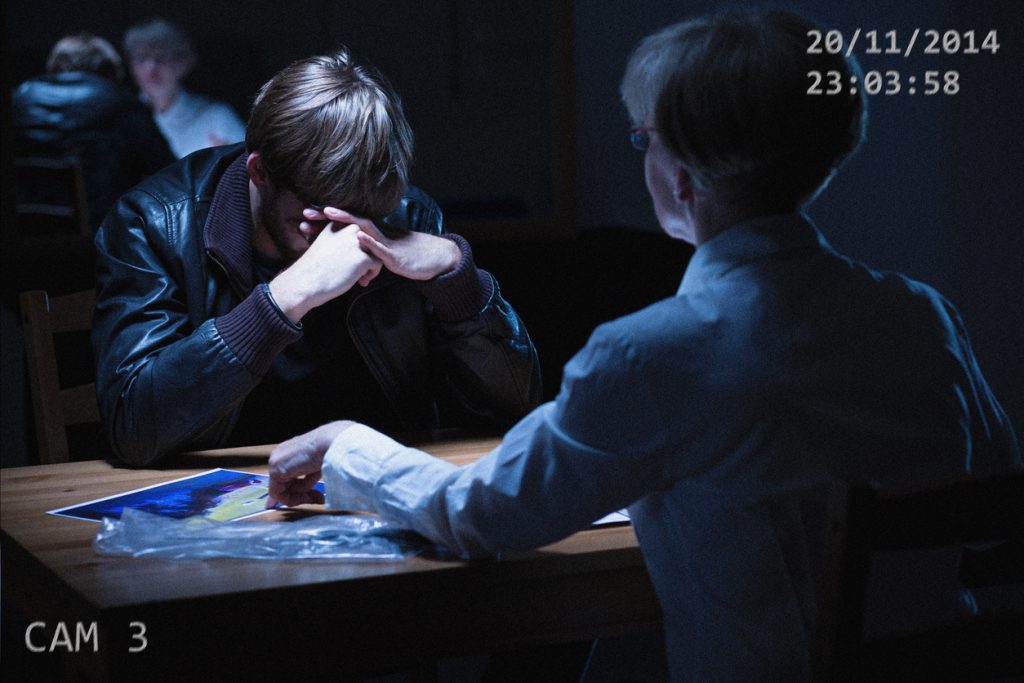
What happens immediately after a voluntary police interview?
Once the interview ends, the police will usually review what was said alongside any evidence they have already collected. This does not always lead to an immediate decision, particularly if the investigation is still at an early stage, or further enquiries are needed.
Officers may compare your answers with witness statements, CCTV footage, phone records, digital communications, forensic evidence or other material connected to the case. They may also need to obtain additional statements, examine downloaded phone data, wait for forensic results or carry out financial enquiries where these are relevant to the alleged offence.
In some cases, the information given during the interview may raise new questions or point the police towards further evidence. This could mean contacting other witnesses, reviewing additional footage or arranging another interview at a later date.
The next steps will depend on the nature and complexity of the investigation. Some decisions can be made relatively quickly, while others may take weeks or longer if the police are waiting for evidence, specialist analysis or advice from the Crown Prosecution Service.
What outcomes can come from a voluntary police interview?
After a voluntary police interview, several things can happen, depending on the circumstances of the case. These include:
- Being released with no further action: The police may decide that there is insufficient evidence to proceed with their investigation, or they may believe you did not commit the crime. In this instance, they may close the case and release you with no further action to be taken. You may not be released, but not told there is no further action for a while, but read our other blog on how long it can take to receive a no further action letter here.
- Released under investigation (RUI): After your voluntary police interview, the police still may not be satisfied that they have exhausted all lines of enquiry and may have further investigation they want to conduct. This means you are free to go for now, but they will continue their investigation, and they may get back in touch if they find further evidence they want to discuss.
- Further voluntary police interviews: In some instances, police may want you to return for further voluntary interviews under caution. For example, if they have new evidence they wish to question you about. If the interview is still voluntary, you do not have to attend, but if you do not, it could lead to your arrest.
- Arrest: The police may have originally asked you to attend a voluntary police interview instead of arresting you because they did not have enough evidence to arrest you initially. Depending on your answers in the interview and further investigations, they may have enough evidence to formally arrest you. In this case, they will place you under arrest, and you will be held in police custody for up to 24 hours (or longer in some situations) while they conduct further investigations. For more information about what happens after this, read our blog what happens after 24 hours in police custody.
What is a voluntary police interview?
A voluntary police interview, otherwise known as an “interview under caution” or a Caution plus 3 interview, is a formal recorded conversation with police, but unlike an interview when under arrest, you are free to leave at any time, as you are not under arrest. While you are free to leave at any time, the police may still choose to formally arrest you to stop you from leaving.
During a voluntary police interview, the police should still read you the police caution. This advises you of your right to remain silent and that anything you do say can be used against you and used as evidence in court.
As you can probably see from this, a voluntary police interview is a serious matter. Although you are not under arrest, the interview will still be recorded. It is sometimes referred to as a ‘Caution plus 3’ interview because you are read the police caution and advised of your three rights:
- The right to free and independent legal advice.
- You are free to leave at any point.
- You are not under arrest.
Your rights during a voluntary police interview
You have several rights that must be upheld during a voluntary police interview. Firstly, the police must be clear about the purpose of the interview. They should explain what offence they are questioning you about and explain why they believe the interview is necessary. They should also read the police caution, as mentioned above. They should also provide their names and ranks and inform you that you are free to leave at any point. If the police prevent you from leaving during a voluntary police interview, this could be classed as unlawful.
Though you can be arrested after a voluntary police interview, it must be made clear to you that you are now under arrest and are no longer free to leave. They must also state their justification for arresting you. Failure to do so could be classed as unlawful.
If you are unsure about your rights at any point during the interview, or about the rules police should follow, you can request to see the Codes of Practice. These should be made available to you at every police station, and the police must let you review them. If they deny you this right, this could be unlawful.

How long until police contact you after a voluntary police interview?
There is no fixed or statutory time limit for how long the police can take to contact you after you are released following a voluntary police interview. The time limit really depends on whether you are released under investigation or on pre-charge bail.
If you are released on pre-charge bail, you will usually be given a specific date to return or hear back, which can last up to 3 months. Extensions can be added in specific circumstances.
If you are released under investigation (RUI), there are no legal time limits or deadlines to when you will hear back or get updated. Sometimes it can take weeks, months, or even over a year to hear back. If the police do decide to take no further action (NFA), they will usually send you an official letter or contact you by telephone. If they decide to prosecute, you will receive a formal postal requisition or notice of criminal charge asking you to attend court on a specific date.
What to do if you think the police have acted unlawfully
Most voluntary police interviews are carried out professionally and in line with the law. However, there are occasions where people are treated unfairly, or their rights are not respected during the course of an investigation.
For example, you may have concerns if you believe you were arrested when there was no lawful reason to do so, kept in police custody longer than was necessary, or subjected to excessive force. Others may feel they have been treated differently because of a protected characteristic, or that officers have failed to follow the correct procedures during an investigation. In some cases, there may also be concerns about unnecessary delays, particularly where personal property has been retained for an extended period without clear justification.
If you believe the police acted unlawfully during your voluntary police interview or afterwards, you could be eligible to make a claim against the police. Each case is different, so it is a good idea to speak to a specialist action against the police solicitor to establish the facts and understand whether you have the right to seek legal action against the police.
HNK Solicitors specialises in civil actions against the police and has extensive experience helping clients who believe they have been subjected to unlawful arrest, unlawful detention, excessive force, discrimination or other breaches of their rights. If you’re unsure whether the way you were treated was lawful, our team can assess your circumstances, explain your options and advise whether you may have grounds to bring a claim.
Get in touch with our specialist team today to arrange a free consultation. Call us on 0151 668 0181 or email enquiries@hnksolicitors.com/. Alternatively, fill in one of our online claim forms and one of our team will be in touch.
Frequently asked questions
Will I be arrested after a voluntary police interview?
You will not be automatically arrested after a voluntary police interview, but the police can arrest you during or immediately after the interview if they believe they have enough evidence to do so, and it is necessary to secure your detention.
Am I free to leave a voluntary police interview?
Yes, you are free to leave at any point during a voluntary police interview, as you are not under arrest. Although if you do choose to leave, the police may then arrest you if they feel it is necessary to do so to continue their investigation, and they have grounds to suspect you have committed an offence.
Can the police charge me later?
Yes. The police can charge you at a later date after a voluntary police interview. They may let you leave under investigation and then continue their investigation. If they find sufficient evidence and decide to charge you, they will usually notify you through a Postal Requisition (summoning you to court).
Will I get an NFA letter?
If the police believe they do not have sufficient evidence to charge you and have concluded their investigation against you, they may send you a no further action (NFA) letter. You may receive this straight after your voluntary police interview ends, or at a later date.